Begin by meticulously draining your dill pickle chips. Once drained, spread them in a single layer across several sheets of paper towels. Place additional paper towels on top and press firmly but gently to extract as much moisture as possible. Repeat this process until the pickles appear visibly dry. **Regulation:** Any residual brine on the surface of the pickles will act as a barrier, preventing the flour from adhering properly and leading to a soggy, rather than crispy, coating. This critical initial step directly dictates the final textural success of your Air Fryer Pickles.
Step 2: The Dredge Infusion – Crafting the Flavorful Barrier
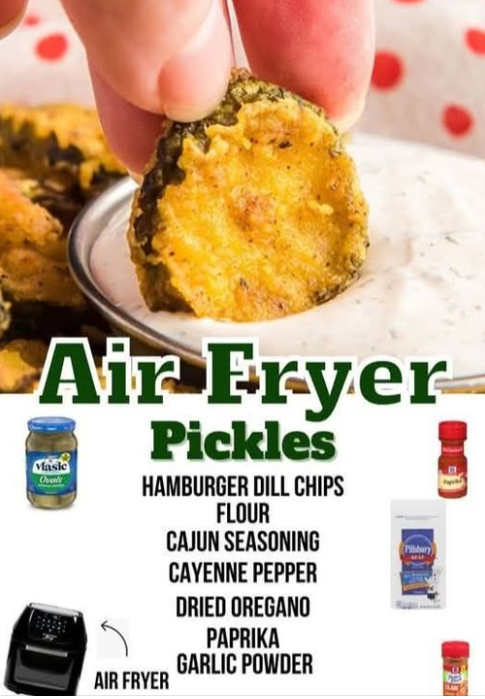
In a shallow, wide bowl (a pie plate or a large dinner plate works well), combine the ½ cup of all-purpose flour with your chosen spice matrix: garlic powder, paprika, and oregano. If opting for a spicier profile, now is the time to incorporate the Cajun seasoning and cayenne pepper. Use a whisk to ensure all ingredients are thoroughly blended and evenly distributed throughout the flour. This creates a homogeneous dry coating that will deliver consistent flavor and texture.
Step 3: The Coating Cycle – Achieving Even Adherence
Add the thoroughly dried pickle chips to the bowl containing the seasoned flour mixture. Gently toss the pickles, or use your hands to ensure each chip is fully coated on all sides. Once coated, transfer the pickles to a fine-mesh sieve or colander and gently shake off any excess flour. **Technical Note:** An overly thick layer of flour can result in a gummy texture. The goal is a thin, even layer that adheres tightly to the pickle surface.
Step 4: The Single-Layer Regulation – Unrestricted Airflow is Key
Carefully arrange the coated pickle chips in a single layer within your air fryer basket. **Crucial Regulation:** It is imperative that the pickles do not overlap or touch each other. The efficacy of an air fryer relies on the unimpeded circulation of hot air around each individual piece of food. Overcrowding the basket will restrict airflow, leading to uneven cooking, steaming rather than crisping, and ultimately, a disappointing texture. If necessary, cook the pickles in multiple batches.
Step 5: The Thermal Blast & Convective Crisp – The Final Transformation
Once the pickles are arranged, lightly mist the tops of the coated pickles with your chosen high-heat cooking spray. This initial application of oil is crucial for activating the flour’s browning and crisping properties. Air fry the pickles at **400°F (200°C)** for a duration of 7–9 minutes. At the halfway point (around 3.5 to 4.5 minutes), carefully open the air fryer, flip the pickles to ensure even cooking, and apply another light mist of cooking spray to any areas that appear dry or under-browned. Continue cooking until the pickles are golden brown, visibly crispy, and have reached your desired level of crunch.
Serving and Storage Protocols
The Air Fryer Pickle is a culinary creation designed for **immediate gratification**. Its peak textural and flavor performance occurs within minutes of exiting the air fryer. The contrast between the hot, crispy exterior and the cool, tangy interior is ephemeral.
Storage Table: Post-Preparation Longevity
| Environment | Longevity | Optimal Reheating Protocol | Key Consideration |
|---|---|---|---|
| Room Temperature | Approx. 1 Hour | Not recommended for reheating; texture will be significantly compromised. | Rapid loss of crispness due to atmospheric moisture absorption. |
| Refrigerated (Airtight) | Up to 24 Hours | Reheat in the air fryer at 350°F (175°C) for 2-3 minutes. | Reheating in an oven or microwave will yield a soggy texture; air fryer revitalizes crispness. |
Serving Suggestion: For the ultimate experience, serve these crispy, tangy pickles with a cooling, creamy dip. A homemade ranch, a zesty garlic aioli, or even a simple Sriracha mayonnaise provides the perfect counterpoint to their vibrant flavor and satisfying crunch.
Tips: Achieving Professional-Grade Crunch and Flavor
“For those aspiring to achieve an **extra-thick, ‘Deli-Style’ crust**, a multi-layer coating technique is highly recommended. After the initial flour dredge, carefully dip each floured pickle into a shallow bowl of beaten egg (or a plant-based egg substitute). Immediately following the egg wash, coat the pickles thoroughly in high-quality panko breadcrumbs. This creates a superior, multi-layered textural barrier that yields an even more profound crispness upon air frying. Remember, each layer must adhere fully for structural integrity.”
- The Oil Choice for Spraying: While any cooking spray can be used, high-smoke-point oils like avocado or grapeseed oil are preferred. **Warning:** Avoid cooking sprays that contain soy lecithin (often found in generic non-stick sprays). Lecithin can, over time, accumulate and potentially damage the non-stick coating of your air fryer basket, making cleanup difficult and impacting future cooking performance. An inexpensive refillable oil mister is an excellent investment for precise and healthy oil application.
- Sodium Regulation: When incorporating Cajun seasoning or any other pre-mixed spice blend, exercise caution with additional salt. Dill pickles themselves are inherently briny, and many commercial spice blends contain a significant amount of sodium. Always taste your flour mixture before coating a large batch, and adjust salt levels sparingly to prevent an overly saline end product. The goal is to enhance, not overpower, the natural tang of the pickle.
- Pre-Heating the Air Fryer: While not strictly necessary for all air fryer models, pre-heating your air fryer for 3-5 minutes at the target cooking temperature (400°F/200°C) can significantly improve the initial crisping. This ensures the basket is at optimal temperature when the pickles are introduced, promoting an immediate and aggressive crust formation.
- Shaking the Basket: Beyond flipping, periodically shaking the air fryer basket (especially for smaller batches) can aid in ensuring all sides of the pickles are exposed to the direct hot air, promoting uniform browning and crispness.
Variations: Expanding the Flavor Matrix
The beauty of the Air Fryer Pickle lies in its adaptability. Once the core “crisp-tang” regulation is mastered, the flavor profile can be endlessly customized:
- The Ranch Revival: For a creamy, herbaceous twist, entirely substitute the specified spice blend with 1 tablespoon of your favorite dry ranch seasoning mix. The buttermilk and herb notes complement the pickle’s acidity beautifully.
- The Everything Pickle: For a textural and savory explosion, add 1 tablespoon of “Everything Bagel” seasoning to the flour dredge. The combination of sesame seeds, poppy seeds, dried garlic, and onion creates a complex, irresistible crust.
- The Sweet & Spicy Dynamo: Diverge from traditional dill by using well-drained bread and butter pickle chips. These provide a foundational sweetness. To this, add a significant pinch of cayenne pepper and a dash of smoked paprika to the flour for a dynamic sweet-and-spicy flavor profile that is truly addictive.
- The Mediterranean Whisper: Incorporate dried mint and a touch of lemon zest into the flour blend for a bright, refreshing take on the classic.
- The Parmesan Power-Up: For a cheesy, umami-rich crust, mix 2 tablespoons of finely grated Parmesan cheese into your flour and spice blend. The cheese will crisp beautifully in the air fryer.
Tips: Troubleshooting and Achieving Perfection Every Time
Even with precise adherence to regulations, minor adjustments can be necessary. Here’s how to troubleshoot common issues and consistently achieve perfect results:
- Addressing Soggy Pickles: If, despite your best efforts, your air-fried pickles turn out soggy, the primary culprit is almost always insufficient moisture removal from the pickles themselves. Re-evaluate your desiccation protocol in Step 1. Alternatively, an overcrowded air fryer basket can trap steam, hindering crispness. Ensure liberal spacing between each pickle chip. A secondary cause could be an insufficient amount of cooking spray; the oil is essential for promoting browning and a hardened crust.
- Uneven Browning: If some pickles are crispier than others, it often points to inconsistent air circulation. Ensure proper single-layer placement and consider shaking the basket more frequently (every 2-3 minutes) or flipping individual pickles more diligently. Hot spots in some air fryers can also cause this; rotating the basket position (if applicable) can help.
- Flour Falling Off: If the flour coating detaches during cooking, it’s typically due to one of two reasons: either the pickles were not dry enough when the flour was applied, or too much excess flour was left on the pickles. The goal is a thin, tightly adhered layer. If using the egg-wash/panko method, ensure the egg wash is thin and covers the entire surface before breading.
- Adjusting for Pickle Thickness: Standard pickle chips are generally uniform. However, if using thicker cut pickles or even spears, an adjustment to cooking time will be necessary. Thicker cuts retain more moisture and will require an additional 2-3 minutes of air frying, possibly with an extra spritz of oil, to achieve the same level of crispness. Always cook until visually golden and firm to the touch.
Conclusion: The Ultimate 2026 Snack Evolution
The **Air Fryer Dill Pickle** stands as a testament to culinary innovation, perfectly balancing the sharp, probiotic tang of fermentation with the irresistible savory satisfaction of a seasoned, crispy crust. This dish embodies the modern desire for healthier, yet equally indulgent, snack options. By meticulously adhering to the **dehydration regulation**, mastering the **single-layer cooking protocol**, and understanding the nuances of **convective heat transfer**, you are not just frying pickles—you are engaging in a precise culinary engineering process. This guide equips you with the professional standards necessary to ensure a perfect, high-crunch result every single time. As we continue to explore new frontiers in the kitchen, the Air Fryer Pickle serves as a delicious reminder that even the simplest ingredients can be transformed into something truly extraordinary. Enjoy the addictive tang, the satisfying crunch, and the sheer delight of this 2026 snack evolution!
Frequently Asked Questions
- Why are my pickles soggy even after drying them?
- The most common reason is still residual moisture. Ensure you’re pressing firmly with paper towels. Also, an overcrowded air fryer basket will trap steam and prevent crisping. Cook in smaller batches if necessary.
- Can I use pickle spears instead of chips?
- Yes, pickle spears can certainly be air-fried! However, due to their increased thickness and higher moisture content, they will require an additional 2-3 minutes of cooking time. Be sure to pat them extra dry and flip them frequently for even crisping.
- Is this recipe suitable for a gluten-free diet?
- Absolutely! To make this recipe gluten-free, simply replace the all-purpose flour with a 1-to-1 gluten-free flour blend (ensure it contains xanthan gum for binding) or use finely ground almond flour. The cooking process remains the same.
- Can I make a large batch ahead of time for a party?
- While you can prepare the coated pickles and refrigerate them for a short period (1-2 hours), they are truly best served fresh from the air fryer. For a party, consider having all your ingredients prepped and air-frying batches as guests arrive to ensure maximum crispness.
- What’s the best dipping sauce for Air Fryer Pickles?
- A classic creamy ranch dressing or a homemade garlic aioli are excellent choices. For a spicy kick, mix mayonnaise with Sriracha and a squeeze of lime. A simple mixture of sour cream and fresh dill also works wonderfully to complement the tang.