
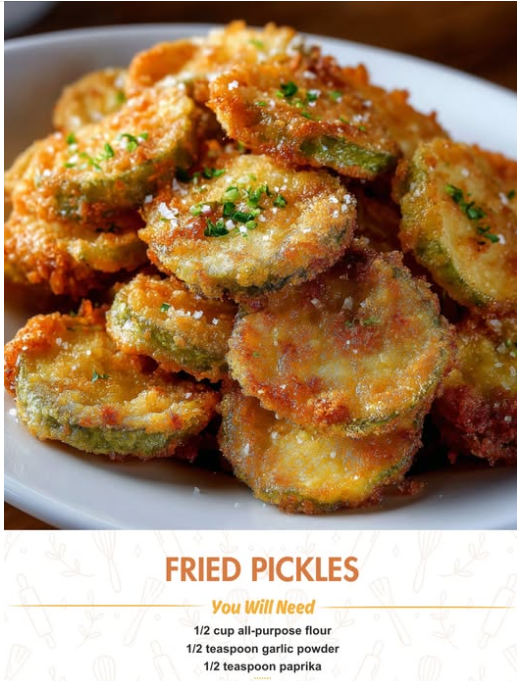
The Ultimate Guide to Fried Pickles: Batter vs. Breading
Introduction: The Duel of the Crisps
Fried pickles stand as a monument to comfort food ingenuity. But why do some end up perfectly golden, airy, and crisp, while others emerge from the oil pale, soggy, or slick with grease? The answer lies in the **coating methodology**. This article explores two major approaches, both designed to seal the moisture-heavy pickle slice and deliver a superior crunch: **The Batter Method** (which uses a simple liquid mixture) and **The Breading Method** (the multi-stage, dry coating).
The shared challenge for both methods is **moisture control**. Pickles are essentially brine-soaked cucumbers—up to 90% water. If this water is not sealed off or fully evaporated during frying, it causes the coating to soften and detach. The ideal final product should feature a warm, firm pickle core surrounded by a shell that is light, puffy (batter), or craggy and textured (breading). This 2000-word guide will flesh out the complete “Ingredients” needed for both techniques and provide the necessary preparation and “Directions” to ensure a flawless fry.
