
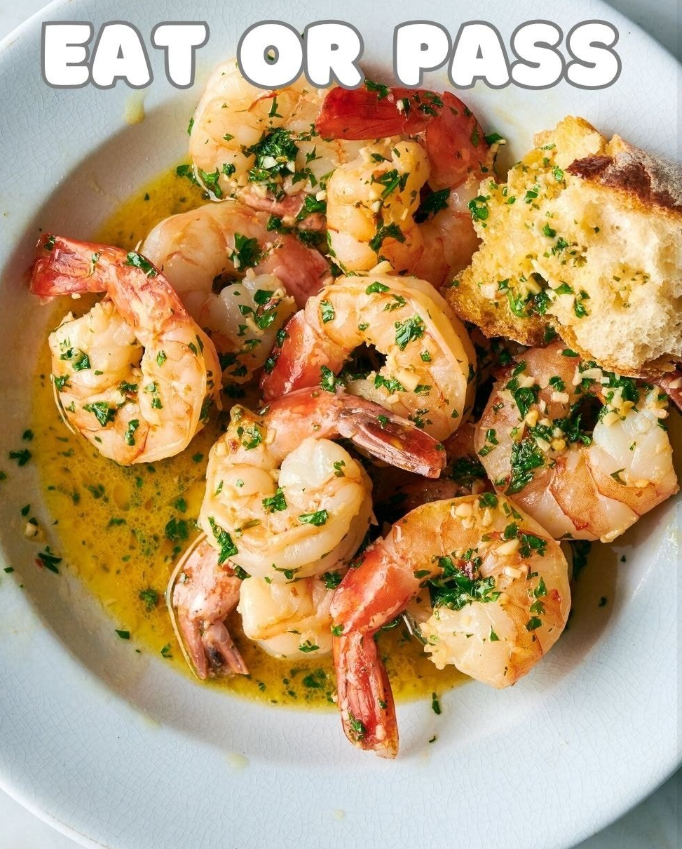
The Definitive Guide to Restaurant-Quality Shrimp Scampi: Bright, Buttery, and Perfect
Introduction: The Elegance of Simplicity in Italian-American Cuisine
Shrimp Scampi is a masterpiece of Italian-American cooking—a dish revered for its speed, simplicity, and the dynamic interplay of rich fat, pungent aromatics, and bright acidity. Despite its sophisticated taste, “Scampi” is merely the Italian name for langoustines, though the dish has been universally translated in North America to mean a preparation of shrimp (gamberi) sautéed in a garlic-butter-wine sauce. Its enduring popularity lies in its ability to deliver intense, complex flavor in a matter of minutes, making it the perfect choice for busy weeknights or impressive, yet stress-free, date-night dining.
The entire success of Shrimp Scampi hinges on a precise sequence of execution and an unwavering commitment to high-quality, fresh ingredients. It is a dish where the lack of complex sauces or long simmering times demands that the primary components—the shrimp, the garlic, and the lemon—shine brilliantly. Overcooking the shrimp results in a rubbery, disappointing texture, and burnt garlic turns the entire dish bitter. The key is balance: achieving a perfect sear on the shrimp while creating an emulsified sauce that coats the pasta beautifully without separating.
This comprehensive guide will break down the essential steps to mastering this classic. We will detail the correct technique for preparing the shrimp, the precise moment to add the garlic to prevent burning, the critical role of deglazing with white wine (or broth), and the scientific necessity of finishing the sauce with butter and pasta water to achieve that glossy, rich coating that defines a truly great scampi. By following these advanced techniques, you will consistently produce a dish that rivals any fine-dining restaurant.
Ingredients: The Precision of Flavor Components
The flavor profile of Shrimp Scampi is built on a few non-negotiable, synergistic ingredients.
The Core Trio: Protein and Aromatics
- Large Shrimp: The protein focus. Use large or jumbo shrimp (21/25 count or larger), peeled and deveined. Leaving the tail on is optional but adds to the restaurant aesthetic and provides a natural handle. If using frozen shrimp, they must be fully thawed and rigorously patted dry before cooking. Moisture is the enemy of the sear.
- Butter and Olive Oil: The cooking medium and base. A blend is essential. Olive oil (preferably Extra Virgin) adds a fruity note and raises the smoke point, preventing the butter from burning before the garlic is sautéed. Butter is critical for the final rich, savory flavor of the sauce.
- Garlic: The defining aromatic. Use plenty—at least 4-6 cloves, finely minced. The freshness of the garlic directly impacts the final flavor.
The Acidic and Liquid Finishers
- Lemon Juice: The necessary acid. Freshly squeezed lemon juice is mandatory. It cuts through the richness of the butter and provides the essential “bright” flavor. A small amount of lemon zest, grated into the sauce at the end, will amplify the citrus aroma without adding sourness.
- White Wine (or Broth): The deglazing agent. A dry white wine (like Pinot Grigio or Sauvignon Blanc) is traditional. It deglazes the pan, capturing the savory browned bits (fond), and its alcohol evaporates, leaving behind a complex, concentrated flavor. If avoiding alcohol, low-sodium chicken or vegetable broth is a suitable substitute, though a touch less complex.
Seasoning and Structure
- Parsley: The fresh finisher. Only fresh, flat-leaf parsley should be used. It provides color, freshness, and a gentle herbal flavor that balances the garlic.
- Salt, Pepper, and Chili Flakes (Optional): The heat and seasoning. Red chili flakes (a pinch) are often included to provide a gentle background heat that enhances the savory garlic notes.
- Pasta (Linguine or Spaghetti): The vehicle. Long, thin pasta like linguine or spaghetti is ideal, as it provides a large surface area for the buttery sauce to cling to.
