
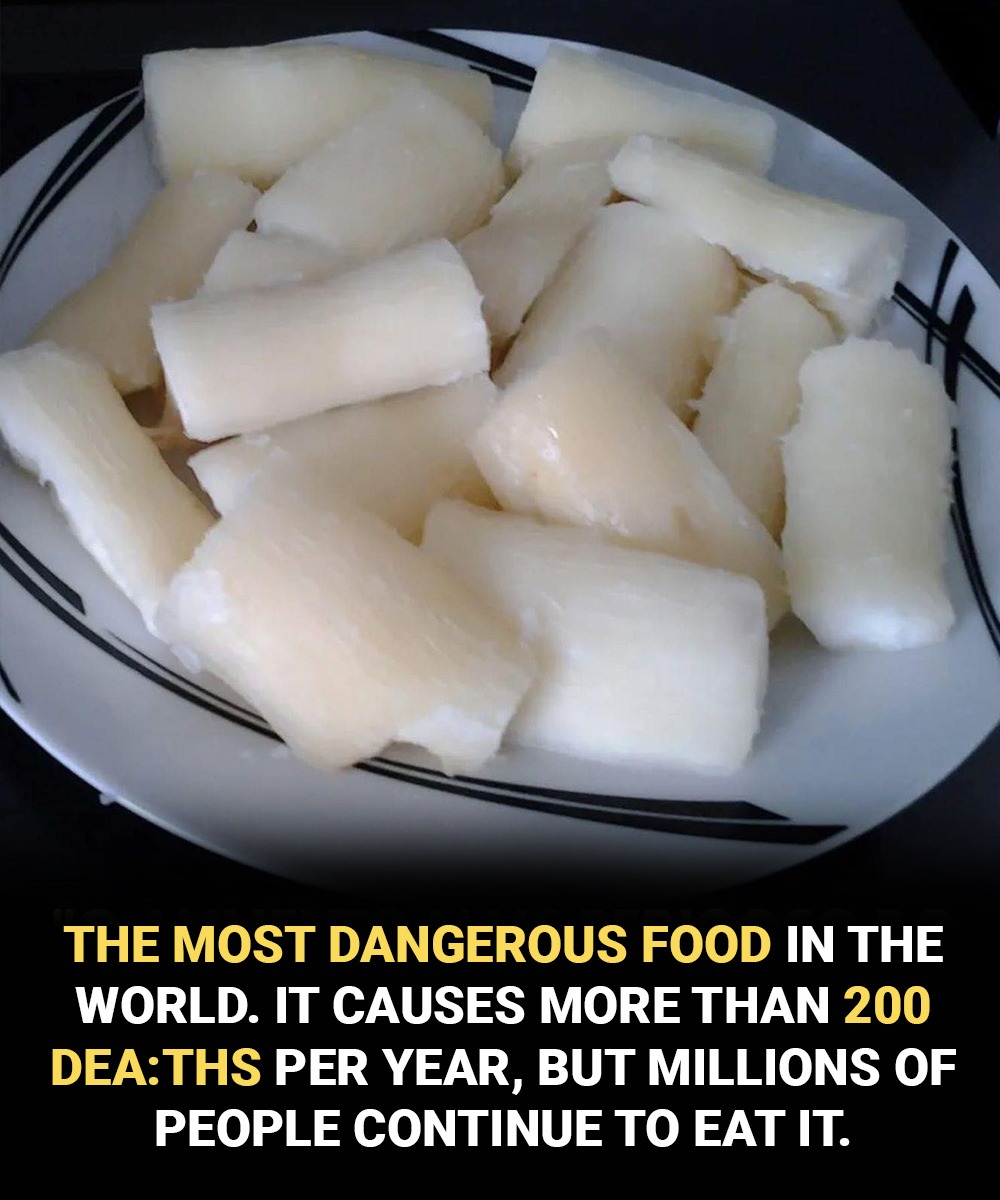
If not properly detoxified, eating bitter cassava can lead to:
- Acute cyanide poisoning: Symptoms include nausea, dizziness, rapid breathing, convulsions, and death within hours.
- Konzo: A paralyzing neurological disease affecting the legs, primarily seen in malnourished populations in Central Africa.
- Tropical ataxic neuropathy: A chronic condition causing blindness, deafness, and loss of coordination.
In fact, cassava is responsible for more cases of food-related cyanide poisoning worldwide than any other food crop, according to the World Health Organization.
How Does Poisoning Happen?
Cyanide poisoning from cassava is not random; it often results from survival under extreme conditions:
- Drought or famine: Forces people to harvest cassava too early, when cyanide levels are highest.
- Lack of water: Prevents proper soaking and washing.
- Poverty and food insecurity: Limits access to diverse diets, making people reliant on a single, risky crop.
- Lack of knowledge or time: Traditional detox methods are skipped due to urgency.
In many cases, families consume cassava that hasn’t been soaked, fermented, dried, or cooked long enough to remove the toxins.
Reklama
