
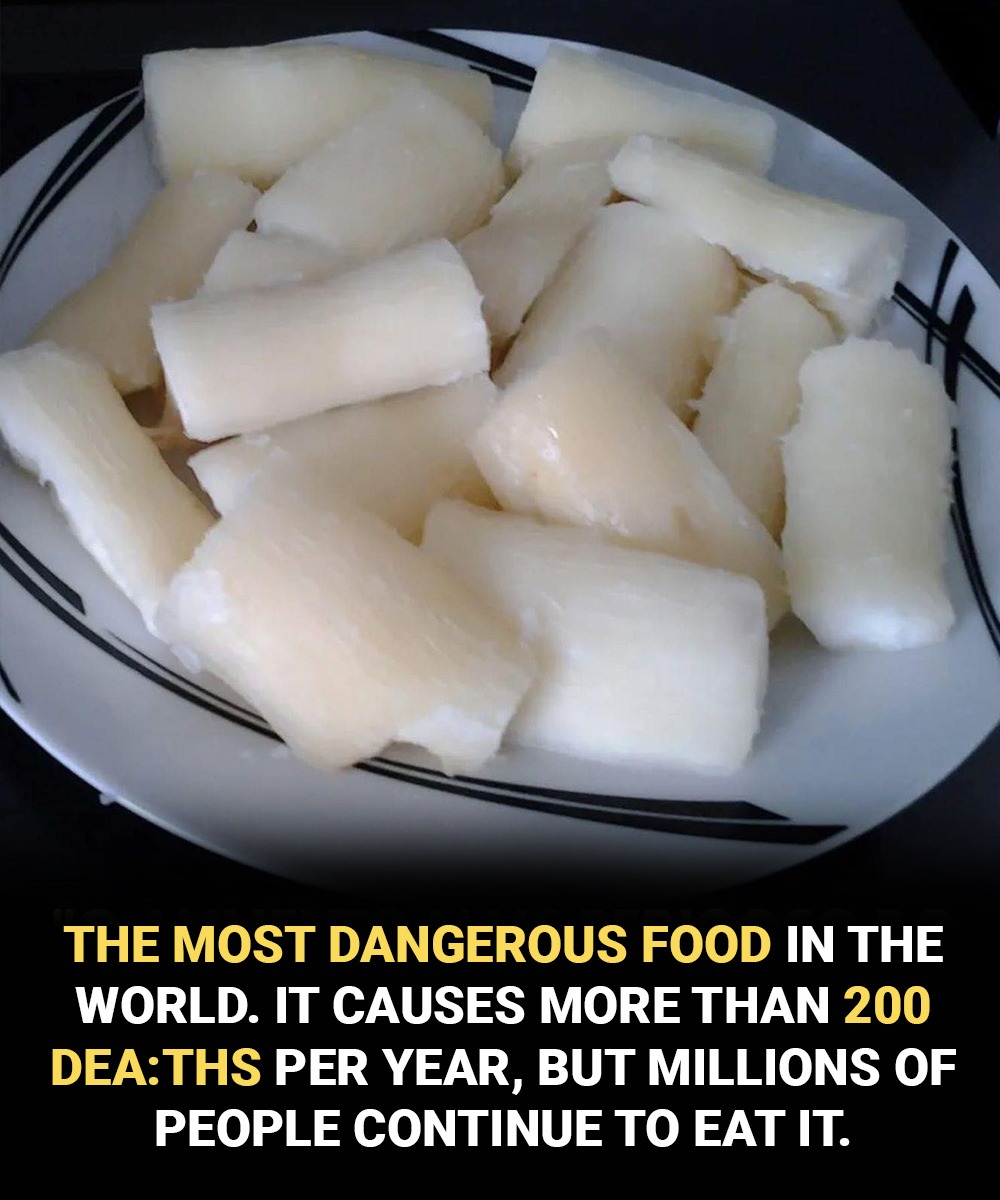
Cassava is a staple food for millions, providing essential calories and nutrition across various regions, including Africa, South America, and the Caribbean. However, this seemingly innocuous root vegetable harbors a dark side, as improper preparation can lead to severe health risks, including poisoning and neurological damage. Understanding the complexities of cassava is crucial for those who rely on it for sustenance, as it embodies the paradox of being both a lifeline and a potential threat.
What Is Cassava?
Cassava, also known as yuca (not to be confused with yucca, the ornamental plant), is a hardy, drought-resistant root vegetable native to South America. Its starchy flesh is a rich source of carbohydrates, making it a vital calorie source in tropical regions.
There are two main types of cassava:
- Sweet cassava: Lower in toxins and safer to eat with basic cooking.
- Bitter cassava: Contains high levels of cyanogenic glycosides, which release cyanide when consumed.
Why Is Cassava Dangerous?
The danger of cassava lies in its processing. Bitter cassava naturally contains linamarin, a compound that converts into hydrogen cyanide when the plant cells are damaged (e.g., during peeling, grating, or chewing).
