Phase 1: Dry Sifting
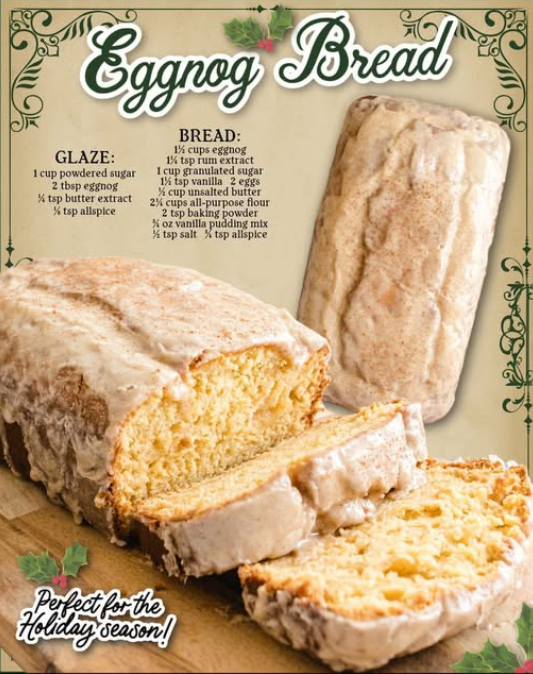
Preheat your oven to 350°F (175°C) and grease a 9×5 inch loaf pan. In a medium bowl, whisk together the flour, vanilla pudding mix (dry), baking powder, salt, and nutmeg. The Pudding Regulation: Ensure the dry pudding mix is evenly distributed through the flour to prevent “hot spots” of gelatinization during the bake.
Phase 2: Emulsifying the Liquids
In a separate large bowl, beat the eggs and sugar together until the mixture is light and slightly frothy. Whisk in the eggnog, vegetable oil, and vanilla extract. Continue whisking until the liquids are fully emulsified and no oil streaks remain on the surface.
Phase 3: The Gentle Fold
Gradually add the dry ingredients to the wet mixture. Using a spatula or wooden spoon, fold the ingredients together until just combined. Stop as soon as the last streak of flour disappears. Over-mixing at this stage will activate too much gluten, resulting in a tough, rubbery loaf rather than a tender one.
Phase 4: The Thermal Set
Pour the batter into the prepared loaf pan, smoothing the top with a spatula. Bake for 55 to 60 minutes. Because of the density provided by the pudding mix, the “toothpick test” is essential. Insert a tester into the center; it should come out clean or with a few moist crumbs.
Phase 5: Cooling and Maturation
Let the bread cool in the pan for 10 minutes before transferring it to a wire rack. While it is tempting to eat immediately, the flavors of Eggnog Bread actually improve as it cools, allowing the spices to fully permeate the crumb.
Service and Storage Tips:
Managing the storage of a high-moisture bread is key to preserving that “fresh from the oven” feel.
- The Morning Slice: For the ultimate Christmas morning experience, toast a slice lightly and spread with a thin layer of salted butter or a drizzle of honey.
- Storage: Wrap the cooled loaf tightly in plastic wrap. It will stay moist at room temperature for up to 4 days. The pudding mix ensures it remains “yummy” and soft longer than traditional recipes.
- The Glaze Option: For a more decadent presentation, whisk together ½ cup powdered sugar and 2 tablespoons of eggnog to create a thick glaze to pour over the cooled loaf.
- Freezing: This bread freezes exceptionally well for up to 3 months. Wrap in foil and then place in a freezer bag to prevent freezer burn.
Variants:
You can adapt this “dreamy” base to suit various holiday preferences:
- The Boozy Brunch Loaf: Replace 2 tablespoons of the eggnog with spiced rum or bourbon for an adult-only holiday treat.
- Chocolate Chip Nog: Fold in ½ cup of mini chocolate chips for a “stracciatella” style effect within the spiced crumb.
- The Nutty Crunch: Add ½ cup of chopped toasted pecans or walnuts to the batter for a savory, crunchy contrast.
- Eggnog Muffins: Pour the batter into muffin tins and bake at 375°F for 18-22 minutes for a portable holiday snack.
Tips:
- Check the Pudding: Make sure you are using Instant pudding mix, not the “Cook & Serve” variety. The instant version is what provides the specific soft texture in a quick bread application.
- Room Temperature Eggs: Cold eggs can cause the vegetable oil to “clump” slightly. Submerging cold eggs in a bowl of warm water for 5 minutes is a quick fix.
- Tenting the Loaf: If the top of your bread is browning too quickly before the center is done, loosely “tent” a piece of aluminum foil over the top of the pan for the final 15 minutes of baking.
conclusion:
The Eggnog Bread is a testament to the joy of holiday baking. By combining the nostalgic flavor of eggnog with the modern structural benefits of vanilla pudding mix, you create a loaf that is unparalleled in its tenderness and depth. It is a foolproof recipe that respects the need for simplicity during the busy holiday season while delivering a high-quality, artisanal result. Whether you’re sharing it with neighbors or enjoying it by the fireplace, this bread is the perfect way to bring the “coziness” of Christmas into your home.
Frequently asked questions:
- Can I use homemade eggnog?
- Absolutely! However, ensure your homemade nog is thick and well-emulsified. If it is too thin or watery, the bread may lose some of its rich density.
- Can I substitute the vegetable oil for butter?
- You can use melted butter for a richer flavor, but be aware that oil-based breads stay moist for longer at room temperature compared to butter-based ones.
- Why did my bread sink in the middle?
- This is usually caused by opening the oven door too early or by using expired baking powder. Ensure your leavener is active by dropping a pinch into hot water to see if it bubbles.
- Is there a dairy-free version?
- You can use a plant-based “nog” (like almond or oat-based holiday drinks) and ensure the pudding mix is a dairy-free variety. The results are quite similar and still delicious!
Would you like me to suggest a specific spice blend to make your own “eggnog seasoning,” or perhaps provide a recipe for an Eggnog French Toast using this bread?