
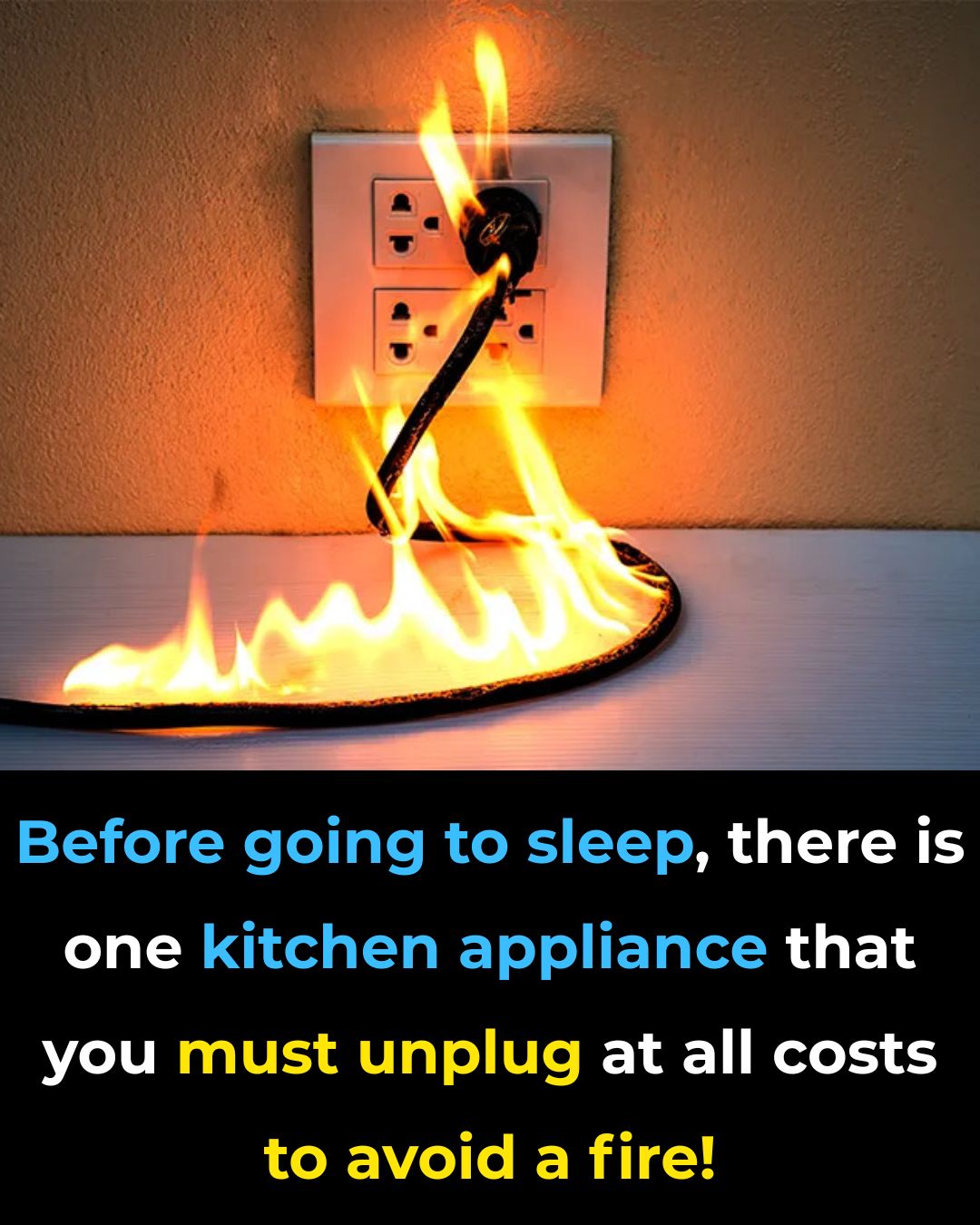
In today’s energy-conscious world, the simple act of unplugging appliances can have a profound impact on both safety and savings. Many household devices continue to consume electricity even when not in use, leading to unnecessary costs and potential hazards. By understanding the risks associated with phantom power and adopting a few easy habits, you can protect your home and extend the lifespan of your electronics. Let’s explore the appliances you should unplug and some additional tips for maintaining a safer environment.
The Hidden Risks of Phantom Power
When appliances are left plugged in, they often draw power even when turned off, a phenomenon known as phantom or standby power. This can account for up to 10 percent of household electricity use, according to energy experts. Beyond the financial implications, leaving devices plugged in can pose serious fire risks, especially during storms or power surges. By unplugging appliances, you not only save money but also enhance the safety of your home.
Unplugging Common Kitchen Appliances
Toasters and Toaster Ovens
Toasters and toaster ovens are kitchen staples, but they can be surprisingly hazardous. Crumbs can accumulate inside, leading to fire risks if the appliance overheats. Additionally, older models may lack modern safety features, making them more susceptible to malfunction. Unplugging and cleaning your toaster regularly can significantly reduce these risks and extend its lifespan.
