
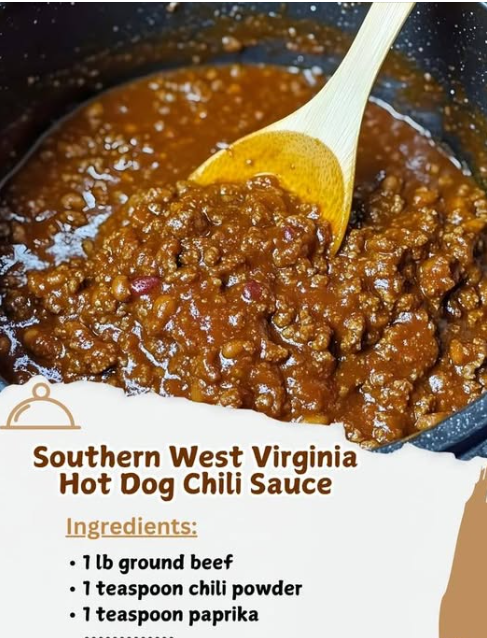
The ingredient list for this chili sauce appears deceptively simple, yet each component plays a critical role in defining its unique structure and flavor profile. It’s a testament to how fundamental culinary principles can yield extraordinary results when precisely applied.
- 1 lb Ground Beef: This is the **primary protein aggregate**. For optimal results, a medium-lean ground beef (e.g., 80/20) is often preferred. The fat content contributes to the mouthfeel and acts as a solvent for fat-soluble flavor compounds. The muscle fibers, predominantly actin and myosin, will undergo **denaturation** during cooking, while the connective tissues, mainly **collagen**, are targeted for transformation.
- 1 teaspoon Chili Powder, 1 teaspoon Paprika, 1 teaspoon Cumin, 1 tablespoon Dried Minced Onion, 1 tablespoon Garlic Powder, Pinch of Red Pepper Flakes: This collection forms the **aromatic and flavor nucleus**. These dried spices and alliums contribute a complex array of volatile organic compounds and non-volatile flavor precursors. The paprika, in particular, offers both color (carotenoids) and subtle sweetness. Dried minced onion and garlic powder, as opposed to fresh, provide a more concentrated, less aqueous flavor, preventing unwanted moisture contribution that could thin the sauce prematurely.
- 1 teaspoon Kosher Salt, 1 teaspoon Black Pepper: These are the essential **ionic and pungency modulators**. Salt acts as a flavor enhancer by reducing bitterness and balancing sweetness, while also contributing to the **osmotic pressure gradient** that draws flavors into the meat particles. Black pepper adds a sharp, pungent note (piperine) that rounds out the spice profile.
- 2-3 cups Water: This is the **critical hydrothermal medium**. Far from a mere diluent, water is the engineering linchpin for achieving the sauce’s characteristic fine texture. It facilitates **collagen hydrolysis** by maintaining a low-temperature, high-moisture environment, preventing the aggressive protein contraction seen in high-heat browning.
- 1 cup Ketchup: More than just a flavor enhancer, ketchup serves as a **complex rheological stabilizer and flavor modulator**. Its high sugar content (fructose, glucose), acetic acid (vinegar), and tomato pectins contribute to both the sweetness, acidity, and thickening properties of the final sauce. The acid also further aids in tenderizing the beef.
- 1/4 cup Brown Sugar: This provides additional **caramelization potential** and depth of sweetness. The molasses content in brown sugar contributes unique flavor notes (e.g., furfural, maltol) that complement the savory spices. It also influences the sauce’s final **viscosity** and **surface gloss**.
- 1/4 cup Worcestershire Sauce: A powerful **umami catalyst**. Worcestershire sauce is a fermented condiment rich in glutamates (from anchovies and tamarind) and acetic acid. It significantly amplifies the savory backbone of the chili, adding a layer of complexity that is difficult to replicate with other ingredients.
Instructions: The Precision Protocol for Textural Transformation
The sequence and duration of each step are not arbitrary; they are meticulously designed to achieve the desired material properties and flavor development.
- Brown the Beef (The Initial Disaggregation):In a large skillet or saucepan, add the ground beef. Break it apart with a wooden spoon over medium heat. This initial stage is crucial for increasing the **surface area-to-volume ratio** of the meat particles. While some browning (Maillard reaction) occurs, the primary goal here is physical fragmentation, creating the foundation for the fine texture. Breaking the beef apart aggressively ensures that individual muscle fibers are separated, preventing large, chewy aggregates.
- Add Seasonings and Water (The Hydrothermal Infusion):Stir in the chili powder, paprika, cumin, kosher salt, black pepper, dried minced onion, garlic powder, and red pepper flakes. Pour in 2-3 cups of water, ensuring the beef is fully covered. This step is the **engineering inflection point**. Adding water at this stage, rather than allowing the beef to brown fully and render all its fat, fundamentally changes the protein kinetics. The spices, many of which are lipid-soluble, begin to infuse both the rendered fat and the aqueous phase, preparing for a protracted **osmotic exchange** with the meat fibers. The water acts as a thermal buffer and a medium for enzymatic activity (if any remain) and chemical hydrolysis.
- Simmer Slowly (The Collagen Hydrolysis and Flavor Melding):Bring the mixture to a gentle simmer. Let it cook uncovered on low heat for 1 to 2 hours, stirring occasionally. This extended, low-temperature simmer is the **core process for textural refinement**. Over this period, the **collagen** present in the ground beef’s connective tissue slowly converts into **gelatin**. This process is known as **hydrolysis**. As gelatin forms, it disperses into the aqueous phase, contributing significantly to the final sauce’s smooth mouthfeel and increased viscosity. Simultaneously, the sustained heat allows the various volatile and non-volatile flavor compounds from the spices, onion, and garlic to thoroughly permeate the beef particles, achieving a harmonious flavor integration that cannot be rushed. The “uncovered” aspect is key for **controlled evaporative concentration**, slowly reducing the liquid volume without scorching the solids.
- Add Ketchup, Brown Sugar, and Worcestershire Sauce (The Viscosity and Umami Boost):Stir in the ketchup, brown sugar, and Worcestershire sauce. Mix well. These ingredients are added later to prevent their sugars from caramelizing too intensely or even burning during the long initial simmer. Ketchup, with its pectin and sugar content, contributes immediately to the sauce’s **rheological properties**, increasing its thickness. Brown sugar layers in complex sweetness, and Worcestershire sauce delivers a profound **umami depth** that rounds out the entire flavor profile. This addition also introduces a fresh burst of acidity that brightens the overall taste.
- Final Simmer (The Consistency Calibration):Continue simmering for another 30 to 45 minutes, stirring occasionally until the sauce thickens to your desired consistency. This final stage is the **precision engineering phase**. Here, the remaining water is evaporated, allowing the **polysaccharides (from ketchup) and gelatin (from beef collagen)** to form a stable network. The goal is to achieve a **Bingham plastic** consistency – thick enough to cling to a hot dog without running, yet fluid enough to be spread. Constant stirring prevents localized scorching and ensures uniform thermal distribution throughout the matrix.
Serving and Storage: Maximizing Peak Performance
The method of serving and subsequent storage are crucial for preserving the engineered qualities of this chili sauce.
- Serving: Spoon the hot dog chili sauce over freshly grilled hot dogs, topped with mustard, onions, and slaw for a true Southern WV-style hot dog. The chili’s fine texture is specifically designed to integrate with these classic condiments without creating an unwieldy, messy bite. The **thermal mass** of the sauce also helps keep the hot dog warm.
- Storage: Store the cooled chili sauce in an airtight container in the refrigerator for up to 5-7 days. This chili, like many slow-cooked dishes, benefits from **flavor maturation** during refrigeration. Over time, the fat-soluble flavor compounds continue to diffuse, and the hydrophilic components (water-soluble) equilibrate, often resulting in a more harmonious and intense flavor on subsequent days. For longer storage, it can be frozen for up to 3 months. Upon thawing and reheating, a small amount of water or chicken broth may be needed to adjust the **viscosity** back to its ideal serving consistency due to minor **syneresis** (water separation) that can occur during the freeze-thaw cycle.
Tips: Optimizing the Microstructure and Flavor
Beyond the core instructions, several technical considerations can elevate your WV Hot Dog Chili sauce:
- Particle Size Homogenization: To achieve the ultra-fine texture preferred in Southern WV, consider using a **potato masher** directly in the skillet after the water has been added and the beef has simmered for about an hour. A few vigorous mashes will further break down any remaining larger beef clumps, contributing to a smoother, more uniform sauce. An **immersion blender** can also be used briefly for an even finer consistency, but be careful not to over-process, which could create a pasty texture.
- Fat Content Management: If using a ground beef with a higher fat percentage (e.g., 70/30), you may choose to **partially drain** some of the rendered fat after the initial browning phase (before adding water). While some fat is desirable for flavor and mouthfeel, excessive grease can lead to a less stable emulsion and a “separated” appearance. Alternatively, the fat can be skimmed from the surface after the chili has cooled.
- Seasoning Bloom: For an extra depth of flavor, allow the dry spices to “bloom” in the rendered beef fat for 30-60 seconds after browning the beef but before adding the water. This process, known as **toasting**, helps release the lipid-soluble aromatic compounds, intensifying their impact.
- Salt Balance: Since many pre-made hot dogs and accompanying condiments (like mustard and slaw) are high in sodium, taste the chili before adding additional salt at the end. The kosher salt specified in the recipe is a good starting point, but final adjustment should be based on your preferred flavor equilibrium.
Variations: Controlled Deviations from the Standard
While the classic WV chili is a paragon of consistency, minor variations can introduce new sensory dimensions without altering its fundamental identity.
- Smoky Undertones: A pinch of **liquid smoke** (around 1/8 teaspoon) added with the ketchup can introduce subtle pyrolysis aromatics, complementing the beef’s savory notes, especially if your hot dogs are boiled rather than grilled.
- Heat Modulation: For those desiring more significant **capsaicin intensity**, a finely minced habanero or serrano pepper can be added with the dried spices. Alternatively, a dash of your favorite hot sauce (e.g., Tabasco) can be stirred in during the final simmer for a brighter, vinegary heat.
- Umami Amplification: A teaspoon of **Marmite or Vegemite** (if available) can be dissolved in a small amount of warm water and stirred in with the Worcestershire sauce. These yeast extracts are potent sources of glutamates and nucleotides, providing an unparalleled boost to the savory depth.
- Vegetable Micronization: While not traditional, for a barely detectable vegetable contribution, a finely grated carrot (about 1/4 cup) can be added during the initial simmer. The long cook time will virtually dissolve it, adding a hint of sweetness and additional fiber without altering the texture.
Tips (Advanced): Mastering the Rheological Nuances
For the aspiring chili engineer, these advanced tips delve deeper into the science of achieving perfection:
- Water Purity and pH: The **pH** of your local tap water can subtly affect collagen hydrolysis. If your water is particularly hard (alkaline), it might slow the breakdown of collagen slightly. Conversely, slightly acidic water could accelerate it. For truly consistent results, filtered or distilled water can be used, ensuring a neutral starting pH.
- Temperature Control in Simmering: Maintain a **”sub-boiling” simmer** (around 90-95°C / 195-205°F). A rolling boil can cause excessive evaporation, necessitating more frequent water additions and potentially over-agitating the delicate beef particles. A gentle simmer is ideal for the slow, controlled conversion of collagen to gelatin, minimizing protein aggregation.
- The “Slurry” Thickening Option: If, after the full cooking time, your chili is still too thin for your preference (a **viscosity deficit**), a very small slurry of cornstarch or all-purpose flour (1 teaspoon mixed with 2 tablespoons cold water) can be whisked in during the final 10 minutes of simmering. This introduces additional starch granules that will **gelatinize** and rapidly increase the sauce’s viscosity, reaching the desired **set point**.
- Post-Cook Cooling and Reheating: When cooling, allow the chili to reach room temperature before refrigerating. This gradual cooling prevents rapid phase separation. When reheating, use low to medium heat, stirring frequently. Rapid, high-heat reheating can cause the gelatin network to break down, leading to a thinner, less homogeneous sauce.
- Hot Dog Selection: The ideal hot dog for this chili has a firm casing that offers some **”snap” (frangibility)** when bitten. The casing’s integrity provides a robust platform for the chili and other toppings, preventing early structural failure of the overall sandwich.
Conclusion: The Scientific Art of Regional Gastronomy
The Southern West Virginia Hot Dog Chili Sauce is a profound testament to the unspoken scientific principles embedded within regional culinary traditions. It demonstrates an intuitive understanding of **protein chemistry, flavor kinetics, and rheological engineering**. Every ingredient choice, every timed simmer, and every precise addition is a step in a meticulously crafted process designed to produce a sauce that is not just delicious, but perfectly optimized for its intended purpose – an iconic hot dog topping.
From the deliberate aqueous environment that encourages **collagen hydrolysis** to the staged addition of **umami-rich catalysts** and **viscosity modifiers**, this recipe is a masterclass in achieving a specific textural and flavor equilibrium. It’s a reminder that true culinary artistry often lies not in complexity, but in the intelligent manipulation of fundamental scientific principles to create something uniquely satisfying and deeply embedded in cultural identity.
So, the next time you prepare this chili, do so with an appreciation for the subtle chemical and physical transformations occurring in your skillet. You’re not just cooking; you’re engaging in a time-honored act of culinary engineering, meticulously crafting an edible icon that proudly represents the heart and soul of Southern West Virginia.
Frequently Asked Questions: Troubleshooting and Refinements
- Why is my chili too chunky, not fine enough?
- This is typically a **particle size distribution** issue. It usually means the ground beef wasn’t broken apart finely enough during the initial browning, or you didn’t utilize a potato masher during the simmering phase. Ensure aggressive fragmentation at the start and consider mechanical assistance later to achieve the desired **colloidal suspension**.
- Why is my chili watery or too thin?
- A **viscosity deficit** usually indicates insufficient **evaporative concentration** during the simmering phases. Either you didn’t simmer it long enough, or your stovetop temperature was too low, preventing adequate water reduction. Ensure the pot is uncovered, and maintain a gentle but consistent simmer, allowing steam to escape. Alternatively, a small starch slurry (as discussed in advanced tips) can be used as a rapid thickening agent.
- Why does my chili taste bland or lack depth?
- This points to a **flavor integration** or **umami deficiency**. Ensure your spices are fresh (not expired), and don’t skimp on the simmer time. The long cook is essential for the **osmotic penetration** of flavors and the development of complex savory notes. Verify the correct amounts of Worcestershire sauce and ensure sufficient salt to bring out the inherent flavors.
- Can I add beans to this chili?
- Technically, yes, you *can* add beans. However, doing so fundamentally alters the **rheological profile** and **textural identity** of Southern West Virginia Hot Dog Chili. The defining characteristic of this regional style is its fine, bean-free consistency. Adding beans would transform it into a different type of chili (e.g., Texas-style hot dog chili), diverging from the traditional WV engineering principles.
- Is there a way to make this faster?
- Achieving the characteristic fine texture and deep flavor profile relies heavily on **time-dependent collagen hydrolysis** and **slow flavor diffusion**, making significant speed-ups challenging without compromise. A **pressure cooker** could reduce the simmer time for the beef (e.g., 20-30 minutes under pressure after adding water and spices), but the subsequent open-pot simmering for concentration and final flavor blending would still be necessary. Direct high-heat cooking sacrifices the unique texture.


