
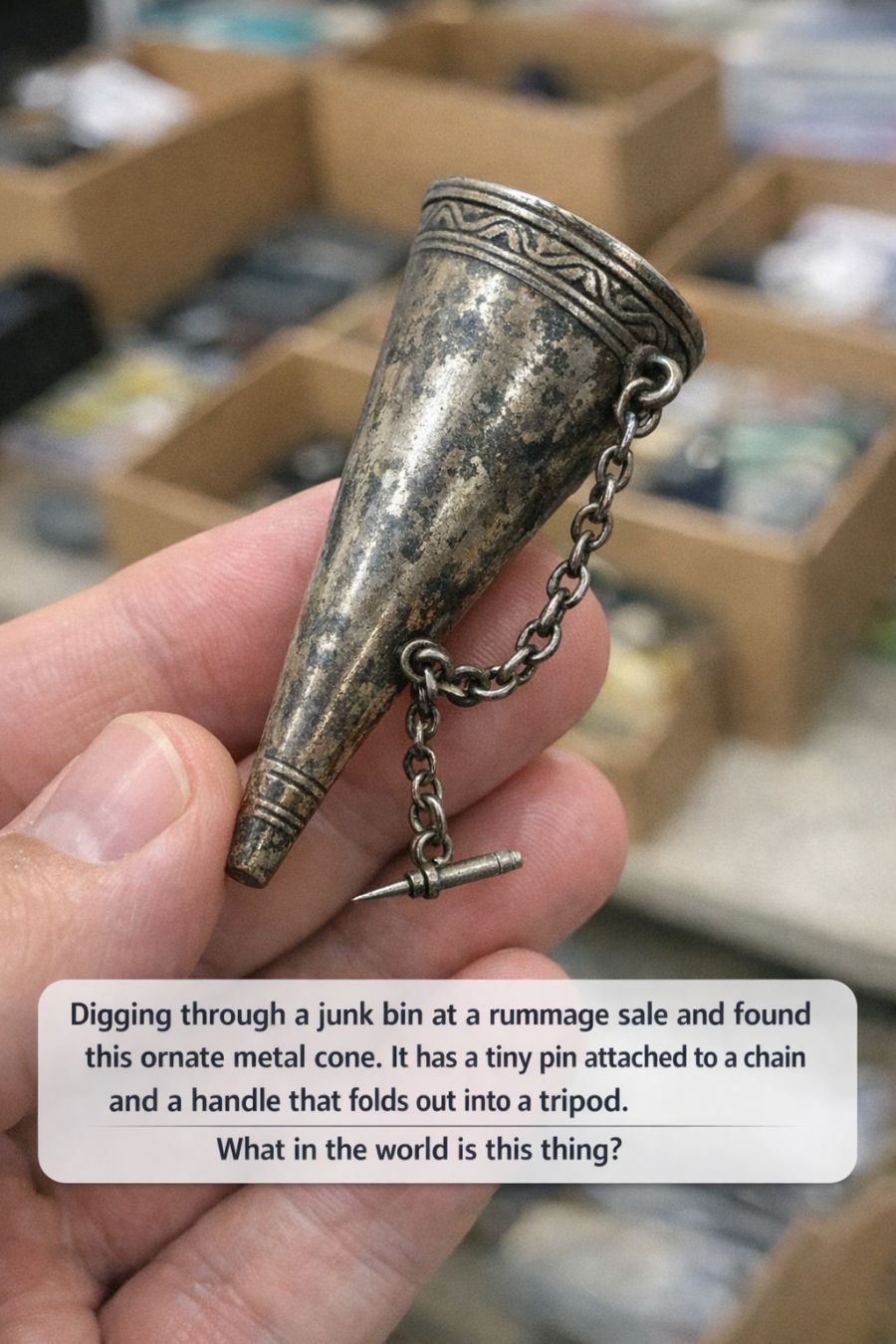
Victorian posy holders are more than just decorative items; they are fascinating artifacts that tell stories of romance, social customs, and artistry from a bygone era. These unique pieces not only served practical purposes but also played a significant role in the intricate language of flowers during the Victorian period. Join us as we explore the history, craftsmanship, and enduring allure of these captivating objects.
The Functionality of Posy Holders in Victorian Society
The posy holder was an ingenious solution for preserving the freshness of flowers during lengthy social events. It allowed women to carry their bouquets with grace, serving as a visible symbol of their popularity and the affections of their admirers. This practical accessory not only enhanced the beauty of floral arrangements but also added a layer of sophistication to the wearer’s attire.
The Language of Flowers: Courtship and Flirtation
During the Victorian era, flowers were imbued with meaning, and the art of giving and receiving them was steeped in tradition. Posy holders facilitated this complex communication, allowing women to express emotions such as love, friendship, or even rejection through their choice of blooms. The ability to convey sentiments through flowers added depth to social interactions, making the posy holder an essential tool in the courtship rituals of the time.
Victorian posy holders were often crafted from precious metals like silver or gold, showcasing exquisite artistry. Artisans employed techniques such as engraving and filigree to create intricate designs, often featuring floral patterns and motifs that complemented the flowers they held.
