
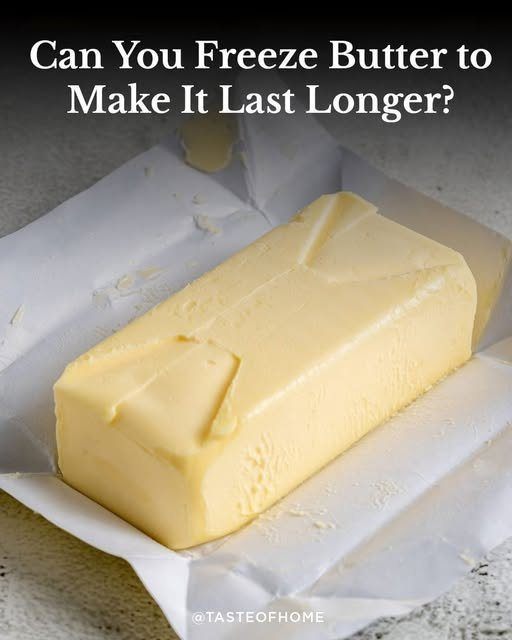
Butter is a beloved kitchen staple, cherished for its rich flavor and versatility in cooking and baking. However, many home cooks often find themselves with more butter than they can use before it spoils. The good news is that freezing butter is a safe and effective method to extend its shelf life, allowing you to enjoy its creamy goodness for months to come. In this guide, we’ll explore the benefits of freezing butter, how to do it properly, and tips for using it once it’s frozen.
Why Freeze Butter?
Butter is composed primarily of milk fat with minimal moisture, which helps slow down spoilage compared to other dairy products. When stored correctly in the refrigerator, unopened butter can remain fresh for several weeks or even months. However, refrigeration has its limitations; butter can absorb odors from other foods and may oxidize over time, affecting its flavor and appearance. Freezing halts these processes, significantly extending the shelf life of butter. This makes it an ideal option for those who buy in bulk, find great deals, or simply won’t use butter quickly.
How Long Does Butter Last in the Freezer?
When stored at 0°F (−18°C) or lower, which is the standard temperature for most home freezers, butter can maintain its quality for much longer than when kept in the refrigerator. Butter sticks or blocks with at least 80% milk fat can retain their flavor and texture for 8 to 12 months in the freezer if packaged properly.
Salted butter generally freezes better than unsalted butter due to the preservative qualities of salt. Here’s a quick breakdown:
