Phase 1: The Mix (The 5 Minutes)
In a large bowl, whisk your dry ingredients, then pour in the warm water. Stir with a wooden spoon until a “shaggy” ball forms. You aren’t looking for a smooth dough; you just want to ensure there are no pockets of dry flour. This process takes exactly 5 minutes.
Phase 2: The Long Nap (Auto-Hydration)
Cover the bowl with plastic wrap or a damp towel. Let it sit on the counter for 8 to 18 hours. The “Time-as-Worker” Secret: During this time, the water molecules slowly penetrate the flour granules. The enzymes (proteases) soften the dough, while the yeast slowly produces gas. This slow rise creates “complex” flavor molecules that a fast-rising bread lacks.
Phase 3: The Fold (Optional but Recommended)
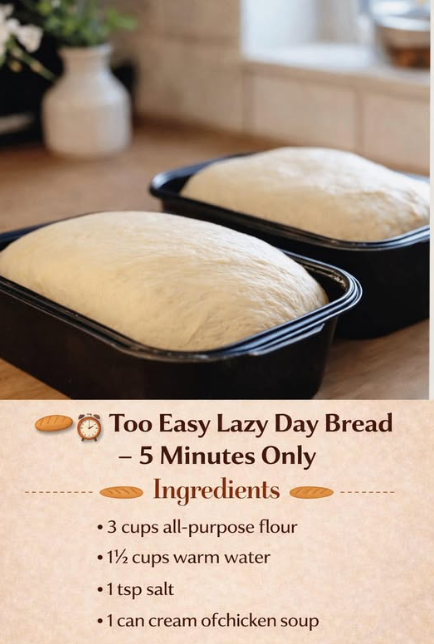
After the long rise, the dough will be bubbly and sticky. Do not knead it! Instead, use a floured hand to gently “fold” the dough over itself 2 or 3 times. This aligns the long strands of gluten you’ve grown overnight, giving the bread a better “spring” in the oven.
Phase 4: The Steam Chamber (The Bake)
Preheat a heavy pot (like a Dutch Oven) in a 450°F (230°C) oven. Drop the dough into the hot pot. The lid is the secret—it traps the steam escaping from the dough. The Physics of Crust: Steam keeps the surface of the bread moist, allowing the dough to expand fully before the crust hardens. This is how you get those huge “holes” (alveoli) in the crumb.
Phase 5: The “Singing” Bread
Bake for 30 minutes with the lid on, then 10–15 minutes with the lid off to “brown” the crust. When you remove the bread, listen closely—you may hear it “sing.” This is the sound of the crust cracking slightly as it cools and contracts. The “Waiting” Rule: You must wait at least 30 minutes before slicing. If you cut it hot, the internal steam will escape too fast, leaving you with a gummy interior.
The Science of Fermentation
Why do we use so little yeast? In a 5-minute bread, we are using Long-Term Fermentation. Yeast is a living fungus that eats sugar and poops out CO2 and alcohol. When you give yeast 12 hours to work at room temperature, it has time to produce organic acids. These acids are what give artisanal bread its slightly “sour” or “tangy” smell. This also breaks down the gluten more thoroughly, making the bread easier for many people to digest compared to “quick” commercial breads.
Chef’s Tips for a Perfect Loaf
- The “Wet Finger” Test: This dough is sticky. To handle it without adding too much extra flour, dip your hands in water. The dough won’t stick to wet skin.
- The Parchment Shortcut: Place your dough on a piece of parchment paper for its second rise. Then, you can simply lift the paper and drop it (bread and all) into the hot Dutch Oven.
- Flour Variations: You can swap 1/2 cup of the All-Purpose flour for Whole Wheat flour to add a nutty, rustic depth, though it may require an extra tablespoon of water.
Holiday Variations
| Variation | The Addition | The Vibe |
|---|---|---|
| Rosemary Sea Salt | 1 tbsp fresh rosemary. | Savory, aromatic, and festive. |
| Cranberry Walnut | 1/2 cup dried cranberries + 1/2 cup nuts. | A perfect Christmas morning loaf. |
| Garlic Herb | 1 tsp garlic powder + 1 tsp Italian herbs. | The ultimate soup-dipping bread. |
Conclusion: A Christmas Miracle in a Bowl
The Too Easy Lazy Day Bread is a testament to the idea that “less is more.” By stepping back and letting time, water, and temperature do the heavy lifting, you can produce a loaf that looks like it came from a Parisian boulangerie. On this Christmas Eve 2025, as you pull your golden, crackling loaf from the oven, you’ll realize that the best gifts don’t always require hours of labor—sometimes they just require 5 minutes of prep and a little bit of patience. Happy baking!
Frequently Asked Questions
- Can I use a regular baking sheet instead of a Dutch Oven?
- Yes, but the crust will be different. To mimic the steam, place a pan of hot water on the bottom rack of the oven while the bread bakes. This creates a “steam bath” that helps the crust develop.
- My dough is too sticky to move!
- Don’t panic. No-knead dough is supposed to be wet (high hydration). Use plenty of flour on your work surface and your hands, and move quickly!
- Is this bread vegan?
- Yes! This is the most “accidental” vegan bread there is—just flour, water, yeast, and salt. No dairy or eggs required.
Would you like me to suggest a “Garlic and Herb Dipping Oil” recipe to serve with this bread, or perhaps show you how to turn this dough into “Easy No-Knead Focaccia”?