
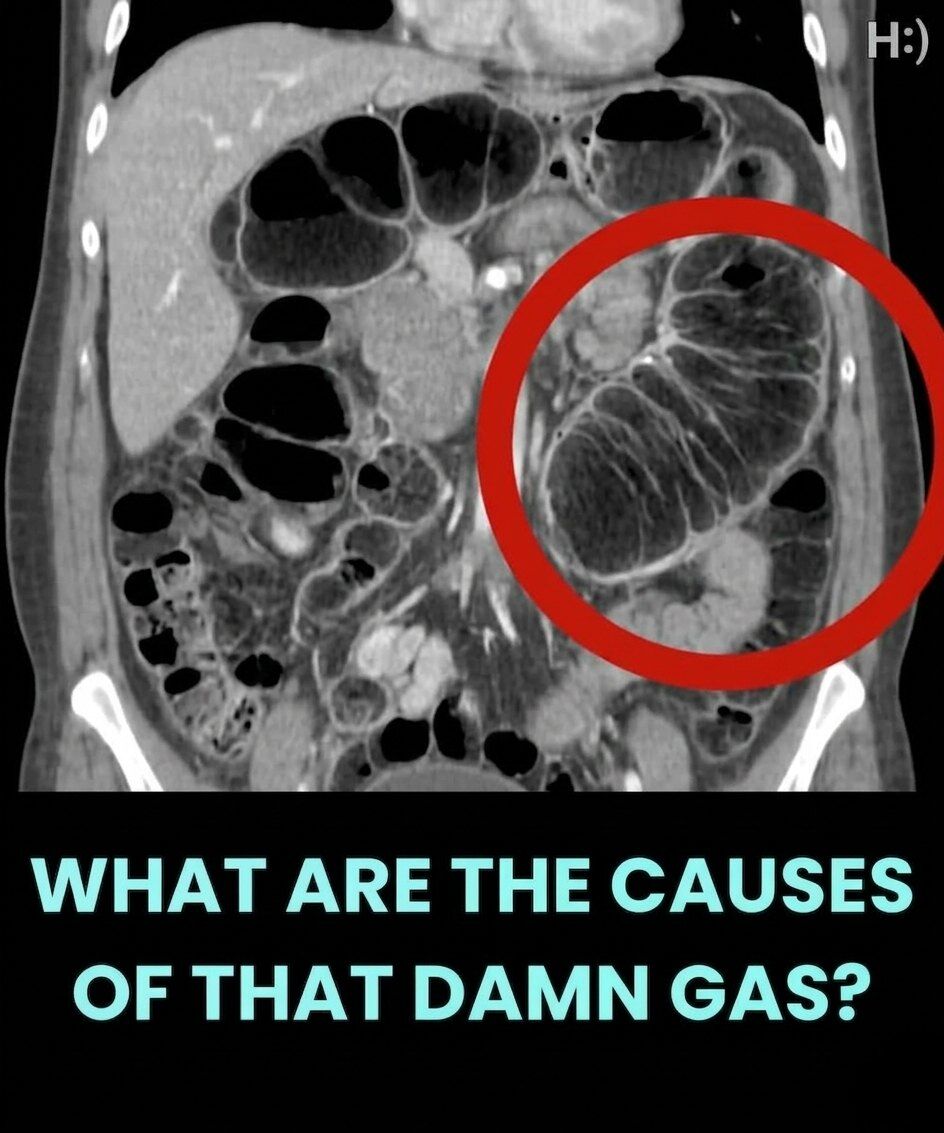
Digestive discomfort is often brushed off as a minor issue, but for many, it can significantly impact daily life. Frequent gas and bloating may seem like normal reactions to food, yet persistent symptoms can affect physical comfort, confidence, and mood. By delving into the complexities of digestion, we can uncover the underlying factors contributing to these issues and explore effective solutions for lasting relief.
The Complexity of Digestion
Digestion is a multifaceted process that begins in the mouth and continues through the stomach and intestines. It relies on the proper production of enzymes and balanced stomach acid levels. When these processes are disrupted, food may not be fully broken down, leading to partially digested food entering the intestines. Here, bacteria ferment the food, producing gas. Symptoms such as heaviness, bloating, or excessive gas after meals indicate that digestion may not be functioning efficiently. Factors like stress, rushed eating, aging, and poor dietary habits can exacerbate these imbalances, resulting in more frequent discomfort.
The Role of the Gut Microbiome
Another crucial element in digestive health is the gut microbiome, a diverse community of bacteria residing in the digestive tract. These microorganisms are vital for breaking down certain foods and maintaining overall health. However, when the balance of these bacteria is disrupted, issues can arise. One common condition, Small Intestinal Bacterial Overgrowth (SIBO), occurs when bacteria accumulate in the small intestine instead of the large intestine. This leads to increased fermentation inappropriately occurring in the small intestine, resulting in gas and bloating shortly after meals. SIBO can often go undiagnosed due to its symptoms mirroring general digestive issues, underscoring the importance of understanding internal imbalances.
