
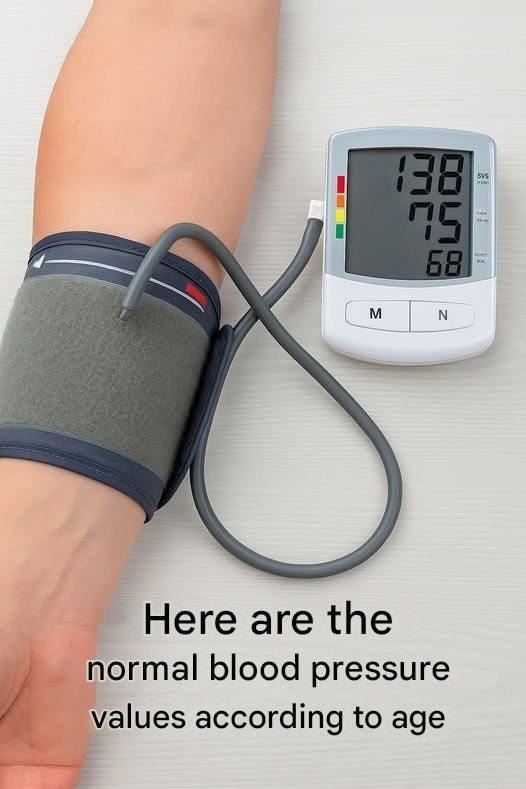
Maintaining healthy blood pressure is crucial for overall well-being, especially as we age. Blood pressure can fluctuate based on various factors, including age, gender, and lifestyle choices. Understanding what constitutes normal blood pressure and the implications of high or low readings can empower individuals to take charge of their health.
What is Blood Pressure?
Blood pressure refers to the force exerted by circulating blood on the walls of blood vessels. It is measured in millimeters of mercury (mmHg) and consists of two readings: systolic and diastolic. Systolic blood pressure measures the pressure in the arteries when the heart beats, while diastolic blood pressure measures the pressure when the heart is at rest between beats.
Recommended Blood Pressure Levels
According to the World Health Organization (WHO), the normal blood pressure range for adults is 120 mmHg for systolic pressure and 80 mmHg for diastolic pressure. When systolic pressure exceeds 140 mmHg or diastolic pressure exceeds 90 mmHg, it is classified as hypertension. These values can vary based on age and gender, making it essential to monitor blood pressure regularly.
