
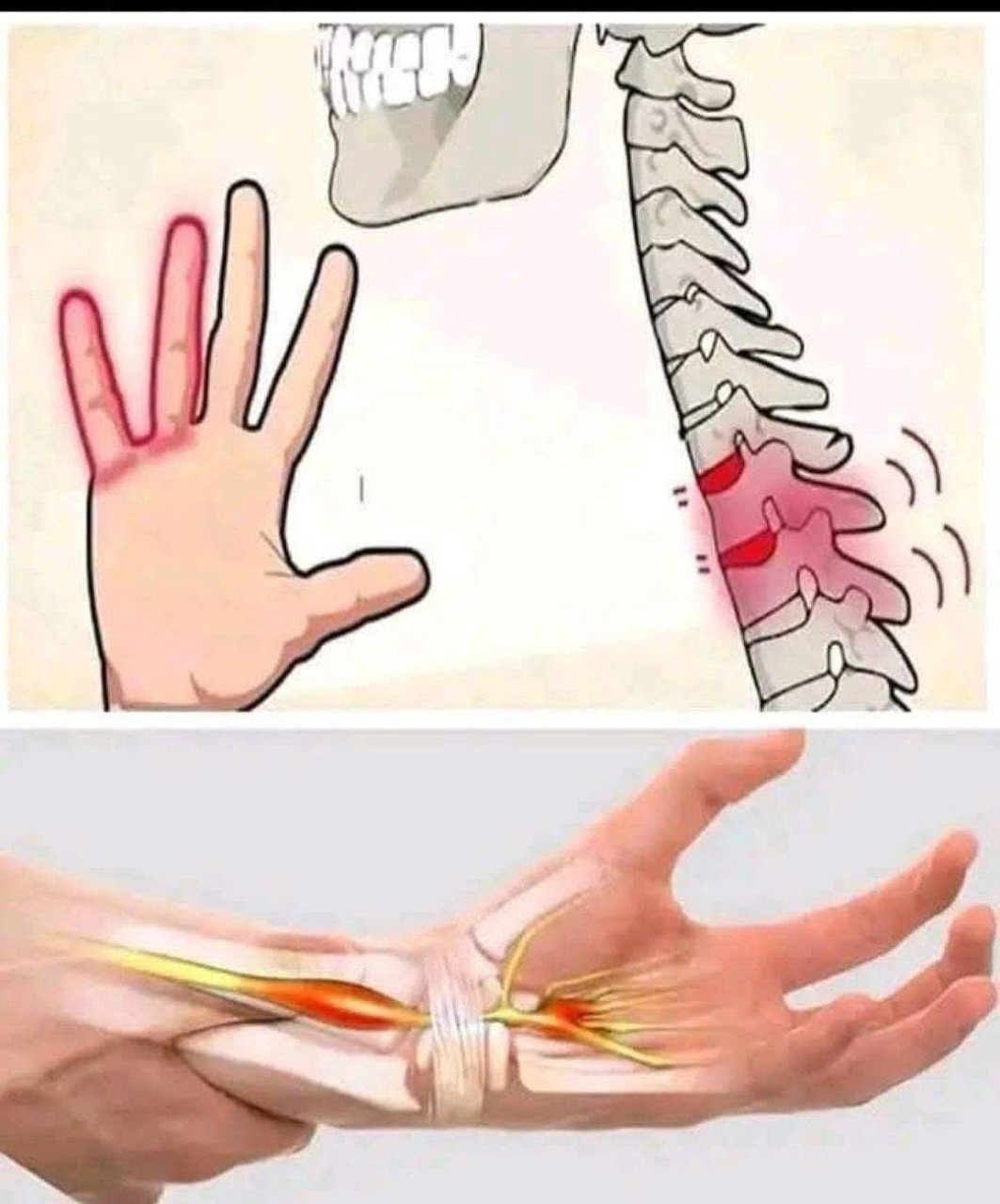
- Nerve Compression
- Circulation Problems
- Underlying Health Conditions
Nerve Compression
One of the primary causes of paresthesia is pressure on a nerve, which interrupts normal nerve signals. This can occur when you lie on your arm or hand during sleep or maintain a position that puts pressure on a nerve. In reality, the affected body part is not actually “falling asleep.” Instead, the pressure prevents the nerve from sending signals properly to the brain, disrupting communication between the brain and the affected area. This results in the classic “pins and needles” sensation.
Circulation Problems
Circulation issues can also lead to limbs “falling asleep.” If blood vessels become temporarily compressed or narrowed, the affected area may not receive enough oxygen and nutrients, leading to temporary numbness or tingling. Fortunately, once you move and restore normal blood flow, the sensation usually disappears quickly.
Health Conditions
In some cases, frequent or persistent paresthesia may be linked to underlying health issues. Common conditions that may cause numbness include:
- Carpal Tunnel Syndrome: A condition where the median nerve in the wrist becomes compressed.
- Diabetes: This disease can damage nerves, leading to diabetic neuropathy and numbness.
- Multiple Sclerosis (MS): An autoimmune neurological disease where the immune system attacks nerve cells.
- Spinal Problems: Conditions such as herniated discs or spinal stenosis can compress nerves.
If numbness occurs frequently or lasts for an extended period, it’s advisable to consult a doctor.
