
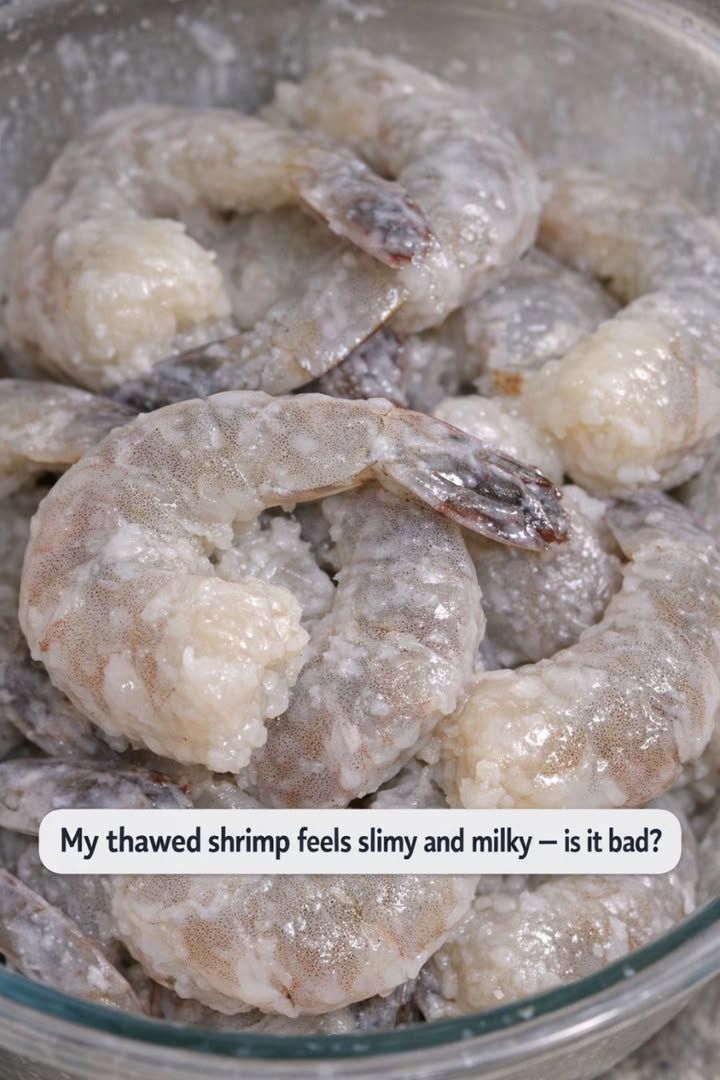
Prioritizing Food Safety: When in Doubt, Throw It Out
Consuming spoiled shrimp can lead to foodborne illnesses, including food poisoning, with symptoms like nausea, vomiting, and diarrhea. It is crucial to err on the side of caution and discard any shrimp that shows signs of spoilage. Food safety should always be a priority; if you have any doubts about the freshness of your shrimp, it is better to discard it than risk potential health hazards.
Best Practices for Thawing Shrimp
The best way to thaw shrimp is overnight in the refrigerator. This slow thawing process helps maintain the shrimp’s texture and prevents bacterial growth. If you’re short on time, place the shrimp in a sealed bag and submerge it in cold water, changing the water every 30 minutes. Avoid using hot water or leaving shrimp to thaw at room temperature, as these methods can lead to spoilage.
Storing Shrimp for Optimal Freshness
To store shrimp properly, keep it in the coldest part of your refrigerator in an airtight container or tightly wrapped in plastic wrap. This minimizes exposure to air and moisture, which can lead to spoilage. If you need to store shrimp for an extended period, freezing is the best option. Ensure the shrimp is tightly sealed to prevent freezer burn, and try to use it within 3-6 months for optimal quality.
In conclusion, understanding the signs of spoilage and proper handling techniques is essential for enjoying shrimp safely. By following these guidelines, you can ensure that your shrimp remains fresh and delicious, allowing you to savor this beloved seafood delicacy without worry. Prioritize food safety, and always trust your instincts when it comes to the freshness of your shrimp.
Related posts:
 The Definitive Guide to Restaurant-Quality Shrimp Scampi
 Understanding Food Expiration Labels: A Guide to Reducing Waste and Ensuring Safety
 Coconut Shrimp: A Tropical Masterclass in Texture
 Shrimp and Avocado Bowls with Mango Salsa & Lime-Chili Sauce
 Deviled Eggs Topped with Searing Cajun Shrimp
 Bold and Creamy Cajun Shrimp Pasta
