
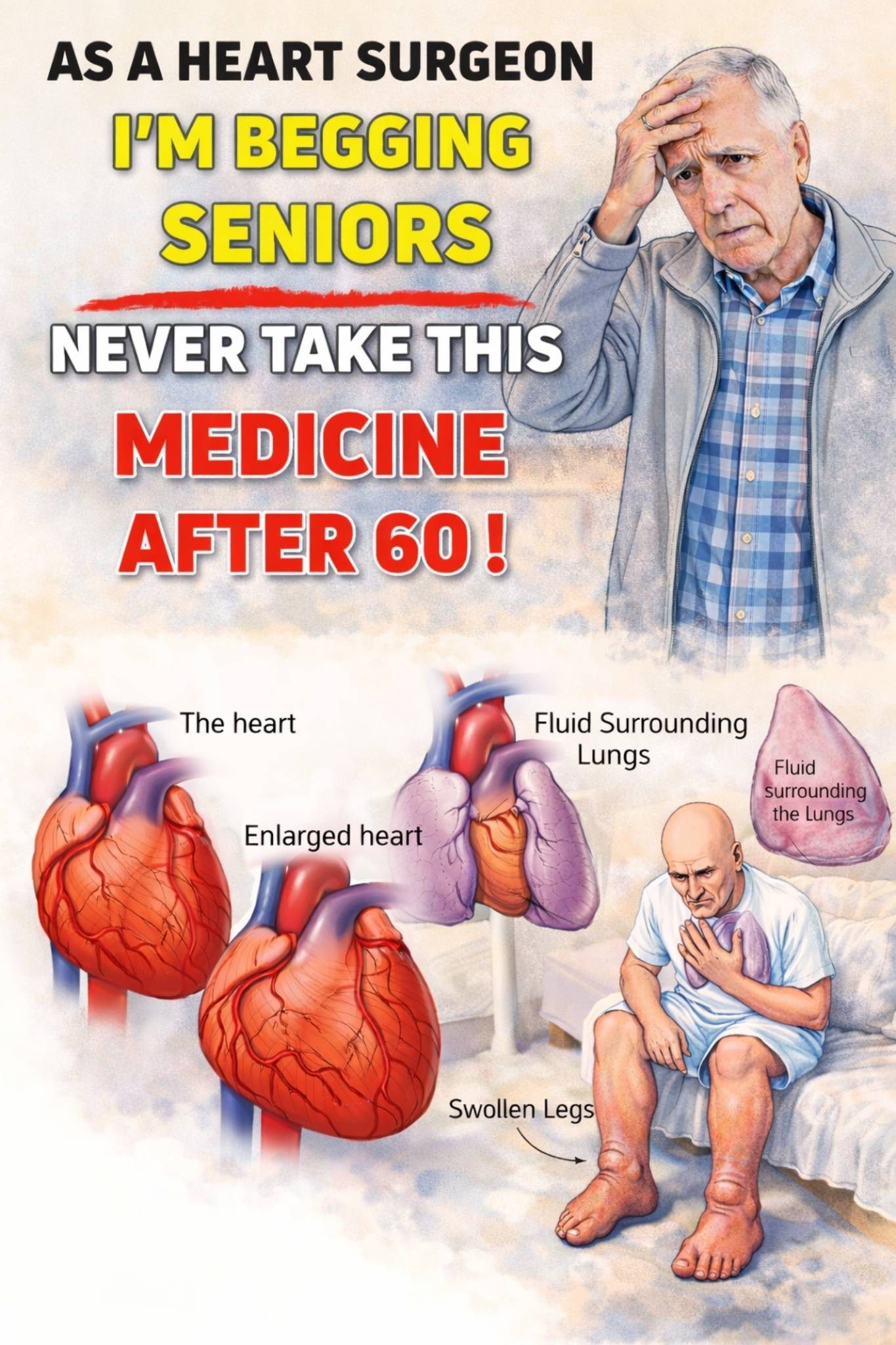
Key Risks Linked to NSAIDs in Older Adults
Here’s what stands out from reliable sources regarding the risks associated with NSAIDs:
- Fluid Retention and Swelling: NSAIDs can reduce kidney efficiency in filtering sodium, leading to extra fluid buildup. This puts added workload on the heart.
- Blood Pressure Effects: Even modest increases can matter when blood vessels are less flexible with age.
- Interaction with Common Heart Medications: If you’re on diuretics, blood pressure pills, or other treatments, the combination may amplify concerns.
- Higher Vulnerability in Those with Heart History: People who’ve had heart failure, high blood pressure, or related conditions face greater caution. Awareness helps guide smarter choices.
Recognizing Signs of Heart Strain
It’s essential to pay attention to subtle changes that could signal fluid buildup or added heart stress:
- Swollen ankles, feet, or legs that feel puffy
- Shortness of breath during light activity or when lying down
- Sudden weight gain of a few pounds in a short time
- Increased fatigue that feels different from usual tiredness
If any of these symptoms appear after starting or increasing a pain reliever, it’s worth discussing with a healthcare provider promptly.
Safer Alternatives for Managing Pain After 60
The good news is that there are practical alternatives and habits that support comfort without the same level of concern. Here are some doctor-recommended approaches:
- Start with Acetaminophen: Often suggested first for mild to moderate pain, as it generally has less impact on heart and kidneys when used as directed.
- Try Topical Options: Creams, gels, or patches applied directly to sore areas can provide relief with minimal absorption into the bloodstream.
- Incorporate Gentle Movement: Low-impact activities like walking, swimming, or tai chi help maintain joint flexibility and reduce stiffness over time.
- Use Heat or Cold Therapy: Warm packs for stiffness or cold for swelling offer drug-free support.
- Explore Physical Therapy: A professional can teach targeted exercises and techniques tailored to your needs.
