
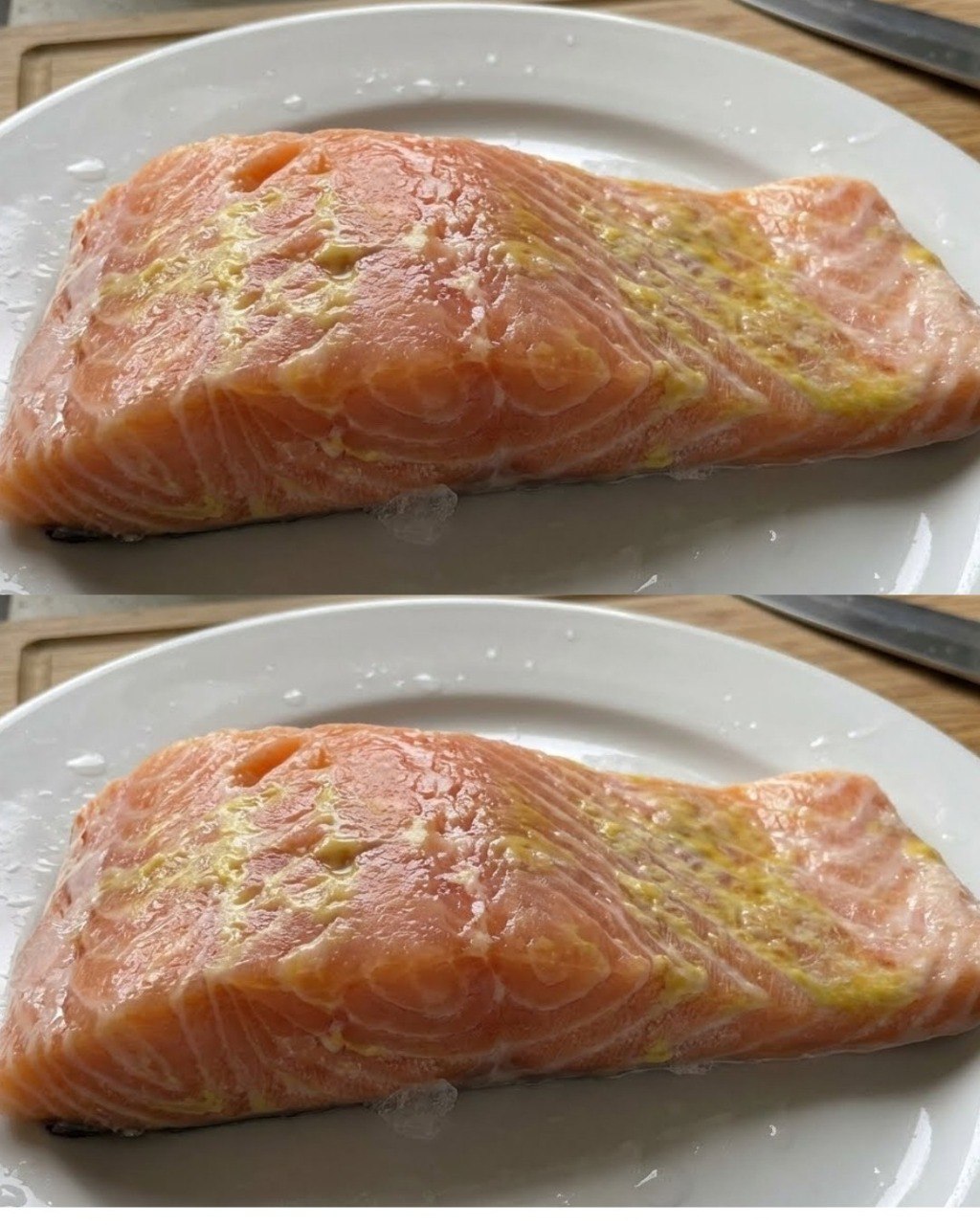
Understanding Freezer Burn
Another common reason for a yellowish tint is freezer burn. If salmon isn’t tightly sealed before freezing, moisture can escape, leading to dry, discolored patches that may appear yellow or whitish. While these freezer-burned areas might be tougher or less flavorful, they are not harmful. Simply trim away the affected parts, and the rest of the fillet is usually perfectly fine to cook and enjoy.
Natural Variation in Salmon Color
Interestingly, some salmon naturally possess a yellowish tint, particularly in the belly area. Wild-caught salmon often derive their color from their diet, which includes tiny crustaceans and algae rich in natural pigments like carotenoids. On the other hand, farm-raised salmon tend to have a more uniform color due to controlled feeding practices, often supplemented with astaxanthin to achieve that classic pink hue. Thus, in some instances, that yellow hue may simply be part of your fish’s natural color variation.
How to Determine If Your Salmon is Still Good
When in doubt about the freshness of your salmon, rely on your senses, as my grandmother always advised:
