
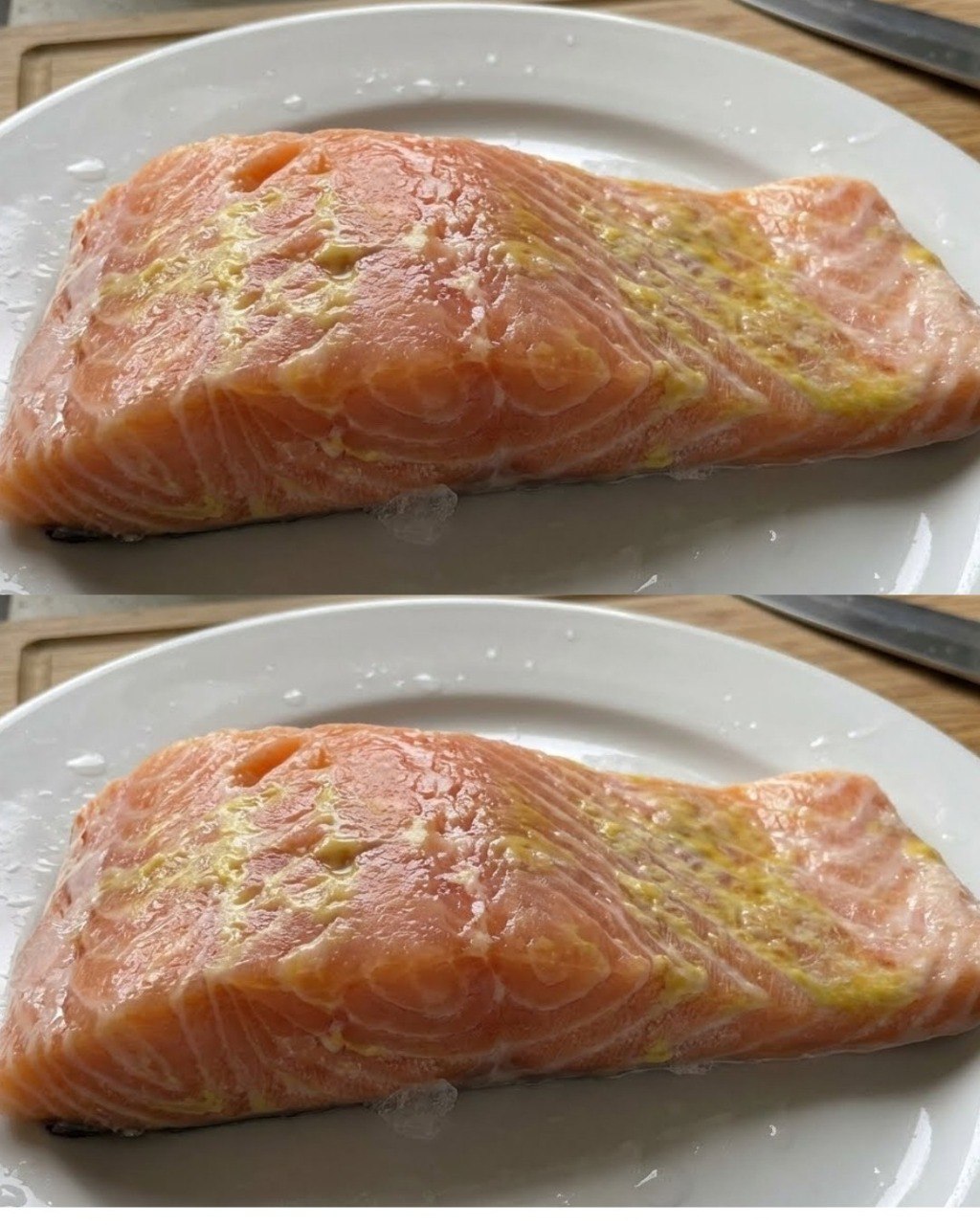
Salmon is a beloved staple in many households, known for its rich flavor and versatility in cooking. However, discovering a yellowish tint on a thawed fillet can be alarming and raise questions about its safety. Fear not! This article delves into the reasons behind this discoloration and provides insights into ensuring your salmon remains fresh and delicious.
The Science Behind the Yellow Tint
Salmon is naturally rich in healthy fats, which contribute to its melt-in-your-mouth texture. However, these fats can oxidize over time, especially if the fish has been frozen for an extended period or not stored properly. Oxidation can cause the fat to change color, often resulting in a yellow or even slightly brown appearance. This phenomenon is similar to an apple slice that browns when left out too long; while the appearance may change, it doesn’t necessarily indicate spoilage. As long as there are no other signs of deterioration, such as a sour odor or slimy texture, the salmon is still safe to eat.
