
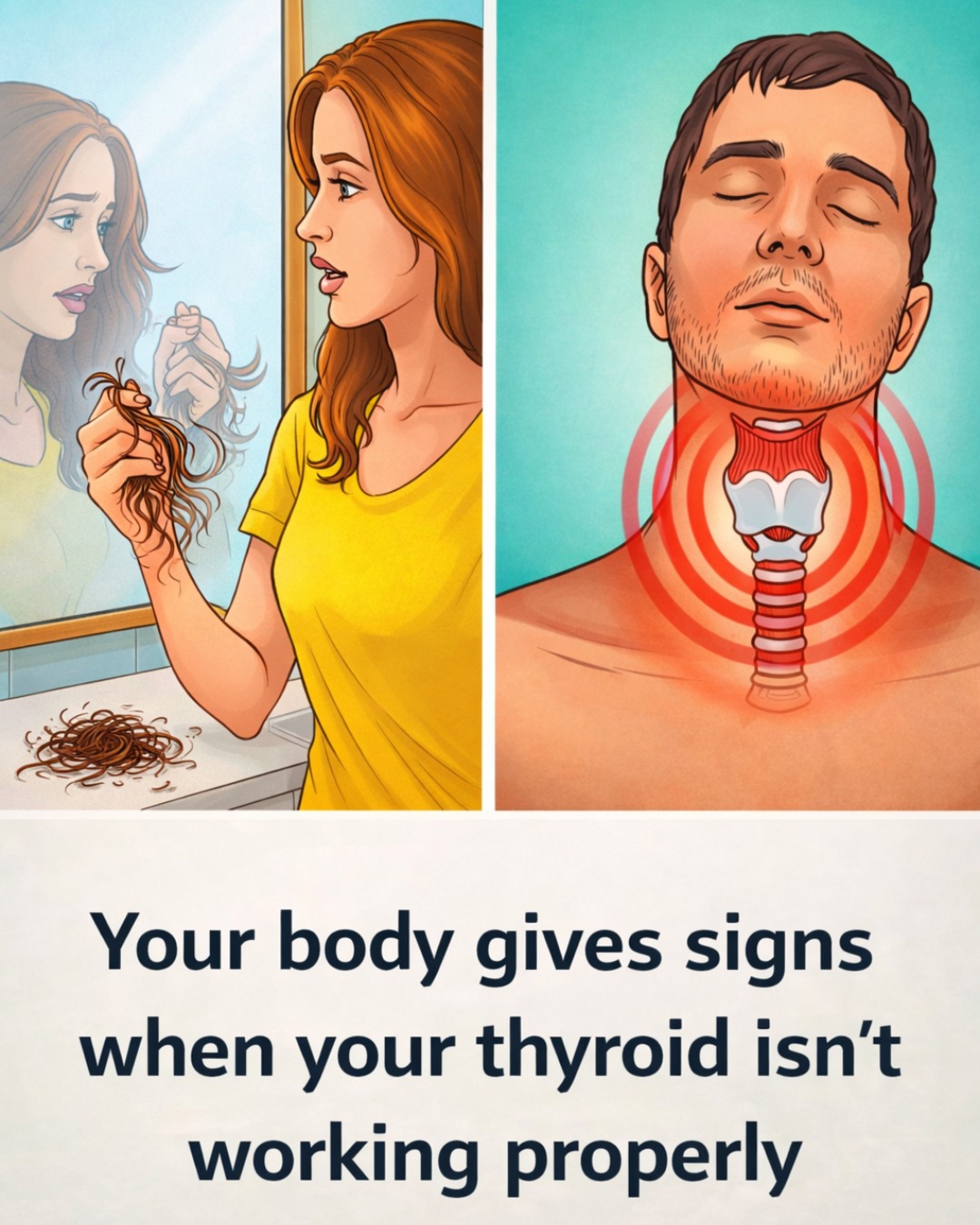
Many individuals experience unexplained fatigue or unexpected weight changes, often attributing these shifts to stress or aging. However, these subtle signs could indicate an underlying issue with the thyroid gland, a crucial component of our endocrine system. Recognizing these signals can empower you to take charge of your health and seek guidance from a healthcare professional. In this article, we will explore the thyroid’s role, common disorders, and how to support your thyroid health effectively.
What Is the Thyroid Gland and Why Does It Matter?
The thyroid is a small, butterfly-shaped gland located at the base of your neck. It plays a key role in regulating your body’s metabolism, which influences how you use energy from food. This gland produces hormones like thyroxine (T-4) and triiodothyronine (T-3), affecting nearly every part of your body, from heart rate to body temperature.
When the thyroid doesn’t produce the right amount of hormones, it can lead to imbalances. Research shows that thyroid issues affect millions worldwide, with women being more prone than men. Keeping an eye on how your body feels can make a significant difference in your overall well-being.
Understanding Hypothyroidism: When Your Thyroid Slows Down
Hypothyroidism occurs when the thyroid doesn’t make enough hormones, leading to a slowed metabolism. This condition can develop gradually, causing signs to sneak up on you. Common causes include autoimmune conditions like Hashimoto’s disease, where the immune system mistakenly attacks the thyroid, as well as certain medications or iodine deficiencies.
Key Signs to Watch For in Hypothyroidism
Here are some common signals your body might send:
- Fatigue that lingers: You may feel exhausted even after a full night’s sleep.
- Unexplained weight gain: The scale may creep up despite no changes in diet or activity.
- Sensitivity to cold: Feeling chilly when others are comfortable could be a clue.
- Dry skin and hair: Your skin may become rough, and hair could thin or become brittle.
- Constipation: Digestive slowdowns can make bowel movements less regular.
- Muscle aches and weakness: Everyday activities might cause soreness or stiffness.
- Mood changes: Feelings of low mood or forgetfulness can appear.
- Changes in menstrual cycles: Periods may become heavier or irregular.
- Slowed heart rate: Your pulse may feel slower than usual.
Recognizing these signs early can prompt a simple conversation with your doctor.
