
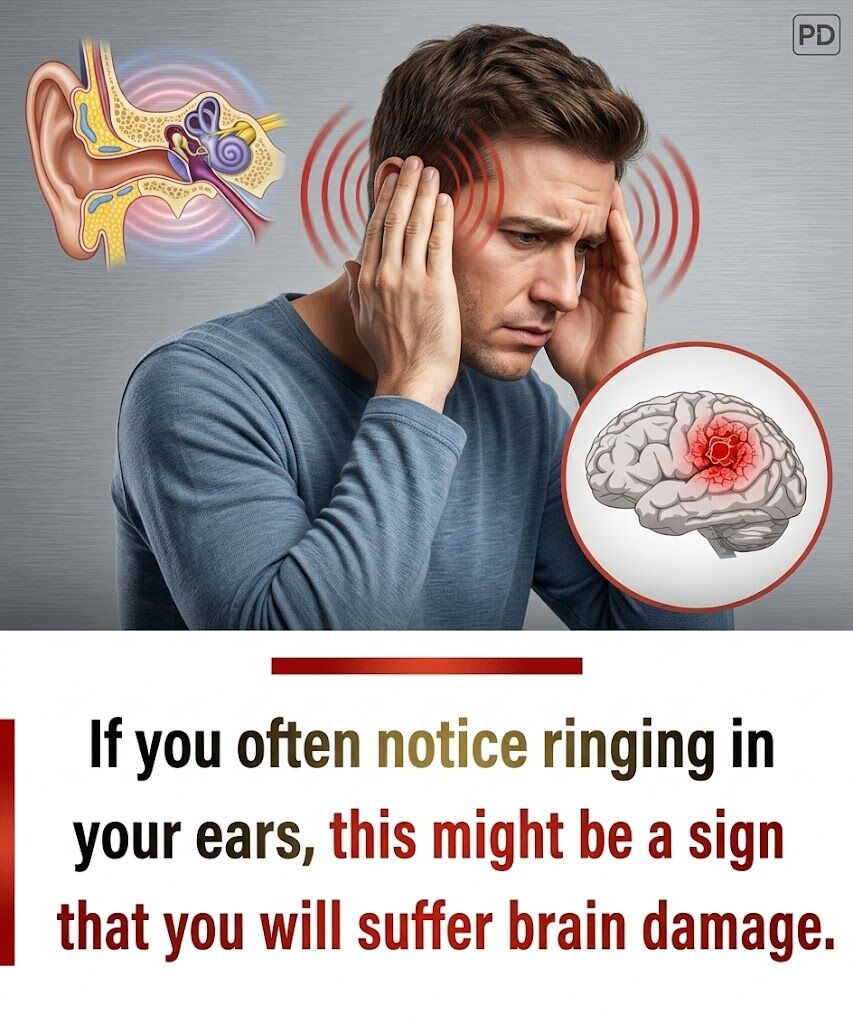
Tinnitus, often described as a ringing or buzzing in the ears, is a condition that affects many individuals at some point in their lives. While it can be alarming, especially when experienced for the first time, understanding the nature of tinnitus can help alleviate fears. This article delves into the causes, misconceptions, and effective management strategies for tinnitus, empowering readers to take control of their auditory health.
What is Tinnitus?
Ringing in the ears, commonly known as tinnitus, can appear suddenly or develop gradually. For some individuals, it may come and go, while for others, it may persist. The sensation is often described as a ringing, buzzing, hissing, or even clicking sound that has no external source. It is important to understand that tinnitus is not a disease itself but rather a symptom—an indication that something within the auditory system or the body is influencing how sound is being processed. Recognizing this distinction is essential, as it helps reduce unnecessary fear and encourages a more informed approach to understanding the condition.
Common Causes of Tinnitus
In most cases, tinnitus is linked to issues related to hearing. One of the most common causes is age-related hearing loss, where the structures within the ear gradually become less sensitive over time. Exposure to loud noise is another major factor, whether from prolonged headphone use, concerts, or noisy work environments. Even temporary exposure to high volumes can trigger ringing that lasts for hours or days. Other causes include earwax buildup, which can block the ear canal and disrupt normal sound transmission, as well as ear infections that affect the middle or inner ear. Certain medications, particularly some antibiotics, anti-inflammatory drugs, or high doses of pain relievers, can also contribute to tinnitus as a side effect. Additionally, lifestyle factors such as stress, fatigue, and poor sleep can play a significant role, sometimes intensifying symptoms even when the underlying cause is relatively mild.
