
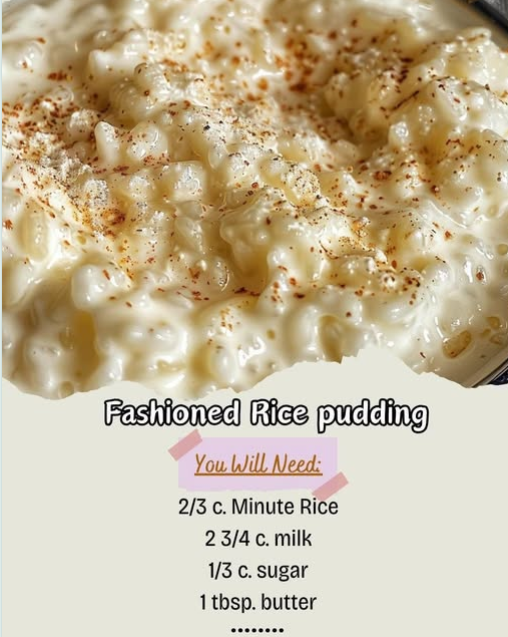
The Physics of Pudding
Amylopectin Release and Thermal Convection in Rice-Based Custards
1. Introduction: The Retro-Innovation of Rice
In 2026, we have seen a return to “Low-Processing” cooking. Old-Fashioned Rice Pudding is the epitome of this movement. It requires only five pantry staples to create a complex hydrocolloid suspension. The magic of this dish lies in the Long-Grain vs. Short-Grain debate. While long-grain rice (like Basmati) remains distinct, short-grain rice (like Arborio or Pearl) contains higher levels of starch, which is essential for that “pudding” consistency.
The process is a slow-motion chemical reaction. As the milk reaches a simmer, the heat breaks the crystalline structure of the rice starch, allowing it to absorb liquid and swell. This is known as Starch Gelatinization. If done too quickly, the outside of the grain disintegrates while the inside remains hard; if done slowly, you achieve a uniform, creamy texture that defines this nostalgic treat.
2. Ingredients: The Molecular Components
Every ingredient in this pudding serves a specific structural or sensory role in the final emulsion.
- 1 Cup Uncooked Rice: The structural anchor. White rice is preferred for its ability to release starch rapidly.
- 2 Cups Milk: The solvent and lipid source. The fats in the milk provide the “creamy” mouthfeel and prevent the starch from becoming gummy.
- 1/2 Cup Sugar: A humectant. Sugar bonds with water, helping to keep the rice grains moist and tender over time.
- 1/2 tsp Vanilla & 1/4 tsp Salt: Salt acts as a flavor enhancer, while vanilla provides the volatile aromatics that signal “dessert” to the brain.
- 1/2 tsp Cinnamon: A warming spice that provides a retro-olfactory experience.
