Phase 1: The Initial Hydration
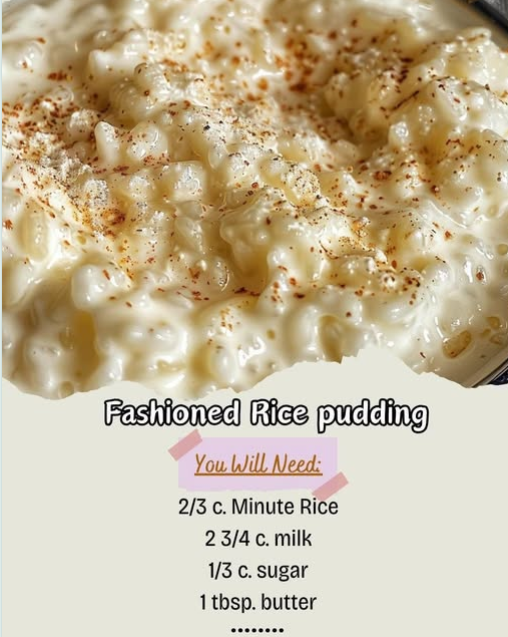
Combine the rice, milk, sugar, and salt in a heavy-bottomed saucepan. The choice of pan is critical; a thin pan will create “hot spots” that scorch the milk proteins. You want even thermal convection to ensure the rice at the bottom cooks at the same rate as the rice at the top.
Phase 2: The Controlled Simmer
Bring the mixture to a gentle boil, then immediately reduce to the lowest heat possible. Cover and simmer for 20–25 minutes. Regulatory Note: Do not over-stir. Excessive agitation breaks the rice grains, leading to a “pasty” rather than “creamy” texture. Stir only once or twice to prevent sticking.
Phase 3: The Finishing Infusion
Once the rice has absorbed most of the liquid and feels tender, remove from heat. Stir in the vanilla and cinnamon. If adding raisins, do so now; the residual heat will rehydrate them without making them mushy.
4. Serving and Storage: Post-Production Management
Rice pudding is unique because its texture changes significantly as it cools. The starch continues to set (a process called retrogradation), meaning the pudding will be much thicker when cold than when warm.
| Service Temperature | Texture Profile | Best Topping |
|---|---|---|
| Warm (120°F) | Flowing, silky, soup-like | Cold heavy cream drizzle |
| Room Temp (70°F) | Soft, set, custardy | Fresh berries |
| Cold (40°F) | Dense, scoopable, firm | Toasted almonds or nutmeg |
5. Tips: The Professional’s Secrets
The “Milk-to-Rice” Ratio: If you prefer a thinner pudding, increase the milk to 3 cups. Because rice is highly variable in its moisture content, you may need to add a splash of extra milk during the final 5 minutes of cooking to reach your desired consistency.
- Rinse or No Rinse? For rice pudding, do not rinse the rice. You need the surface starch to thicken the milk.
- The Skin Prevention: If you dislike the “skin” that forms on top of cooling pudding, press a piece of plastic wrap directly onto the surface of the pudding while it is still hot.
6. Variations for the 2026 Table
While the old-school version is perfect, modern variations can elevate the dish:
- The Brulée Finish: Sprinkle a tablespoon of sugar over cold rice pudding and use a kitchen torch to create a shattered-glass caramel topping.
- The Coconut-Cardamom: Replace 1 cup of milk with coconut milk and swap cinnamon for ground cardamom for an Indo-Tropical twist.
- The Espresso Shot: Stir in a shot of hot espresso at the end for a “Tiramisu-style” caffeine boost.
7. Conclusion: The Comfort of Chemistry
Old-Fashioned Rice Pudding proves that the most comforting foods are often the ones that rely on the simplest chemical principles. By managing the gelatinization of starch and the thermal stability of dairy, you transform humble grains into a luxury dessert. It is a dish that honors time, patience, and the perfect balance of sweetness. Enjoy your journey back in time with every creamy bite!
Frequently Asked Questions
Q: My rice is still crunchy after 25 minutes. What happened?
A: Your heat might have been too low, or your rice was old. Add 1/4 cup of milk and continue simmering for 5 more minutes.
Q: Can I use brown rice?
A: Yes, but brown rice has the bran intact, which prevents it from releasing starch. You will need to double the liquid and triple the cooking time.
Q: Why did my milk curdle?
A: This usually happens if the milk is not fresh or if the heat was too high. Low and slow is the rule for dairy.