
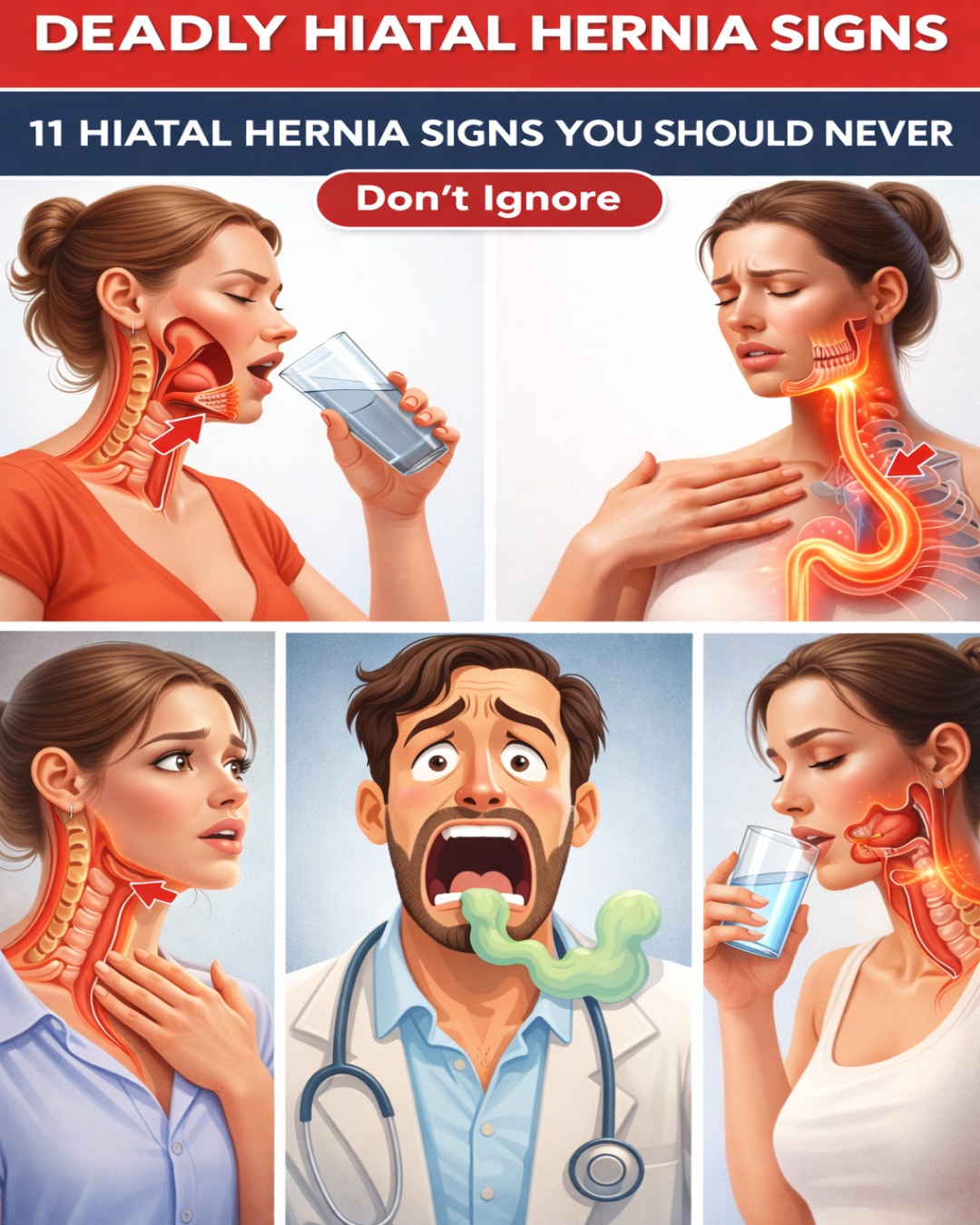
Symptom 7: Chest or Abdominal Pain
Chest or abdominal pain can occur with hiatal hernias, sometimes mimicking heart issues. This non-cardiac chest pain often recurs after meals and can present as an uncomfortable ache or tightness. If you frequently experience this discomfort, it’s essential to consider the possibility of a hiatal hernia.
Symptom 6: Feeling Full Quickly (Early Satiety)
Another symptom to watch for is early satiety, or the sensation of feeling full after consuming only a small amount of food. This occurs when the stomach is compressed, limiting the space available for food. Many individuals report bloating or discomfort shortly after starting to eat, leading to prematurely ending meals.
Symptom 5: Shortness of Breath
Shortness of breath can also be a symptom of a hiatal hernia, particularly if the hernia exerts pressure on the lungs. This difficulty in breathing may be more pronounced during physical exertion or when lying flat. If you find yourself experiencing unexplained breathlessness, it’s worth discussing with a healthcare provider.
Symptom 4: Nausea, Belching, or Bloating
Frequent burping, nausea, or abdominal bloating can indicate that gas and acid are trapped in the stomach. These symptoms often flare up during or after eating. If you notice excessive belching or persistent queasiness, it may be time to evaluate your digestive health.
Symptom 3: Chronic Cough or Hoarseness
A chronic cough, sore throat, or hoarseness can result from acid irritating the throat and lungs. These atypical reflux symptoms can be puzzling and may lead to frequent throat clearing. If you experience these signs regularly, they could be linked to a hiatal hernia.
