
Safe or Spoiled?
The Comprehensive Guide to Deciphering Food Mold and Kitchen Safety
Introduction: The (Gasp!) Moment
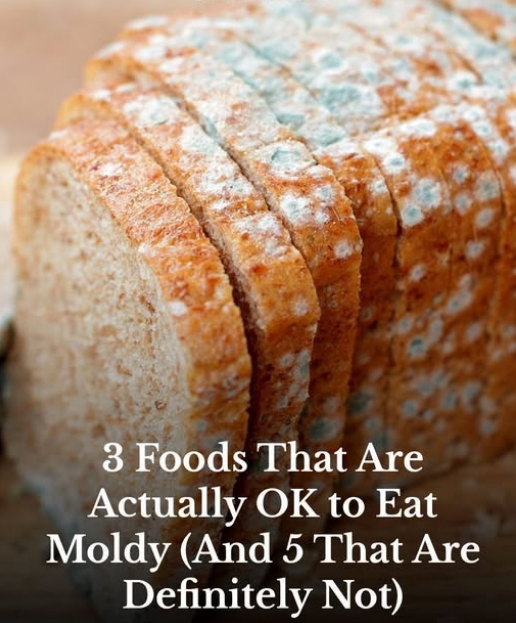
We have all experienced that sudden, sinking feeling. You reach into the refrigerator for your favorite block of cheddar or the last few slices of sourdough, only to be met with a fuzzy, bluish-green interloper. The (gasp!) moment is real. Your first instinct might be to hold your breath and toss the entire item into the trash, but is that always necessary? The science of food safety suggests that while some mold is a toxic red flag, other instances are merely surface-level inconveniences.
Understanding the “million-dollar” difference between toxic mycotoxins and harmless surface growth is essential for reducing food waste without compromising your health. This 1500-word deep dive will serve as your gold standard for pantry management. We will explore the anatomy of mold, the “one-inch rule” for hard foods, and the definitive list of items that are absolutely non-negotiable once the fuzz appears. By the end of this guide, you will be a reliable judge of what stays and what goes in your kitchen.
Ingredients: The Mold Anatomy Kit
To understand if food is safe, you must first understand what mold actually is. Think of mold as a microscopic plant with three distinct parts that act as the “ingredients” for spoilage:
- The Spores: These are the visible, colored “fuzz” on the surface. They are the reproductive units that travel through the air.
- The Hyphae (Roots): This is the dangerous part. In soft foods, these invisible threads can penetrate deep into the center, far beyond what you can see with the naked eye.
- Mycotoxins: These are poisonous substances produced by certain molds. They are heat-stable, meaning cooking the food won’t always make it safe.
