Phase 1: The High-Heat Roast (The Potatoes)
Preheat your oven to 400°F (200°C). Toss the halved baby potatoes with olive oil, garlic powder, and rosemary. The “Cut Side Down” Secret: Place every potato half on the baking sheet with the flat, cut side facing down. This creates a direct heat transfer from the metal pan to the potato starch, resulting in a deep, dark-brown “crust” that is the hallmark of a professional roast potato. Bake for 25–30 minutes.
Phase 2: The Fond Construction (The Chicken)
While the potatoes roast, season the chicken and sear it in olive oil over medium-high heat. Do not move the chicken for at least 4 minutes. You are waiting for the Maillard reaction to release the meat from the pan. Once flipped and cooked through, remove the chicken. Look at the brown bits left in the pan—that is “Fond,” and it is the concentrated soul of the sauce.
Phase 3: Deglazing and Emulsion
Lower the heat. Add the minced garlic—only for 30 seconds so it doesn’t burn. Pour in the chicken broth. Use a wooden spoon to scrape up the fond. This is “deglazing.” Once the broth has reduced by half, whisk in the heavy cream and Dijon mustard. The sauce will begin to thicken as the water evaporates and the fat molecules concentrate.
Phase 4: The Parmesan Melt
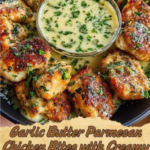
Whisk in the Parmesan cheese slowly. The residual heat will melt the cheese into the cream, creating a “Mornay-style” sauce. Return the chicken to the pan and spoon the sauce over it. This “re-introduces” the chicken to the moisture, ensuring the exterior is soft and flavorful.
Phase 5: The Final Marriage
By now, the potatoes should be crispy and golden. Remove them from the oven and serve them alongside the chicken. Garnish with fresh parsley—the chlorophyll in the parsley provides a “clean” finish that resets the palate after the heavy cream sauce.
The Science of the Perfect Potato
Why do we halve the potatoes? It increases the Surface-Area-to-Volume ratio. More surface area means more room for the olive oil to interact with the potato’s cell walls. As the potatoes roast, the water inside the cells evaporates, and the starch granules swell and then burst, creating a porous surface that “fries” in the oven. This is why the 400°F temperature is vital—anything lower and the potatoes will merely “steam” and become soft rather than crispy.
Chef’s Tips for a Restaurant Finish
- The “Cold Butter” Finish: For an extra-glossy sauce, whisk in 1 tablespoon of cold unsalted butter right before serving. This is called monter au beurre and gives the sauce a velvet-like sheen.
- Dry the Potatoes: After halving the potatoes, pat them dry with a paper towel. Any surface moisture will create steam in the oven, preventing that sought-after crunch.
- Mustard Modulation: If you find the sauce too rich, add an extra teaspoon of Dijon. The acidity will “cut” through the fat of the cream and cheese.
Customizing Your Meal
| Variation | The Twist | The Result |
|---|---|---|
| Spinach Garlic Chicken | Add 2 cups of baby spinach to the sauce at the end. | Added color and nutrients. |
| Mushroom Cream | Sauté 1 cup of sliced cremini mushrooms with the garlic. | Deep, earthy umami. |
| Spicy Garlic | Add 1/2 tsp red pepper flakes to the oil. | A subtle, warming back-end heat. |
Conclusion: A Winter Night’s Masterpiece
Creamy Garlic Chicken with Roasted Baby Potatoes is more than just a meal; it is a celebration of foundational cooking techniques. It proves that with just a few staples—cream, garlic, and potatoes—you can create a dish that feels like it belongs in a French countryside inn. As you gather at the table this December 23rd, let the warmth of the roasted rosemary and the richness of the Parmesan sauce bring a moment of calm and indulgence to your holiday week. Happy cooking!
Frequently Asked Questions
- Can I use chicken thighs instead of breasts?
- Absolutely! Chicken thighs are more forgiving and contain more fat, which makes the dish even more flavorful. They will require about 2–3 minutes more per side during the initial sear.
- How do I stop my cream sauce from being too thin?
- The key is reduction. Let the broth and cream simmer until it coats the back of a spoon. If it’s still too thin, adding more Parmesan cheese will naturally thicken the emulsion.
- Is this dish gluten-free?
- Yes, as written, this recipe is naturally gluten-free. Just ensure your Dijon mustard and chicken broth are certified GF, as some brands use thickeners containing wheat.
Would you like me to suggest a “Lemon Arugula Salad” to serve as a bright side dish, or perhaps show you how to turn these ingredients into a “One-Pot Creamy Chicken and Potato Soup”?