
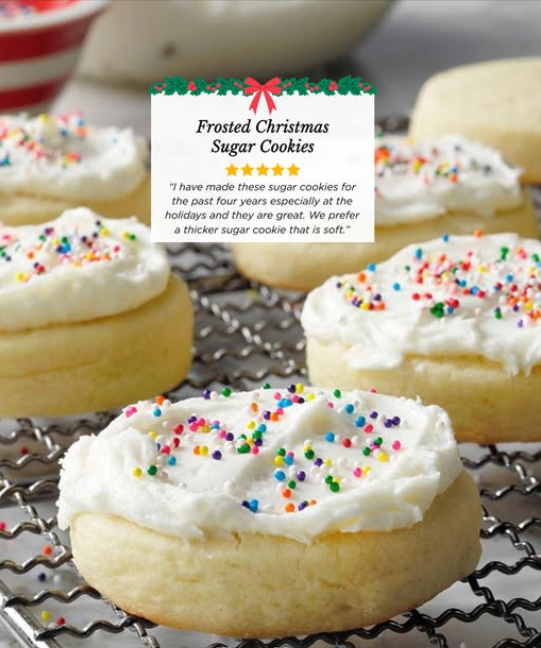
The Artisan’s Guide to Frosted Sugar Cookies: Mastering Texture and Flavor
Introduction: The Science of the Perfect Crumb
The sugar cookie, in its frosted form, is the ultimate celebratory canvas. Yet, beneath its often-colorful exterior lies a delicate balance of fat, sugar, and structure. Our focus here is on achieving a cookie that is **melt-in-your-mouth tender**—avoiding the dry, tough pitfalls of lesser recipes—and pairing it with a frosting that is both **deliciously creamy and structurally sound** for decorating. This is accomplished not just by following steps, but by understanding the precise roles of the key ingredients, particularly the different fats and sugars.
The secret to the cookie’s rich, cake-y texture lies in the strategic use of **Butter and Eggs** in the dough. Butter imparts flavor and tenderness, while the addition of **whole eggs and extra yolks** provides emulsifiers (lecithin) and added fat, which inhibits gluten development and results in a softer, richer bite. For the frosting, the challenge is stability. A pure butter frosting is too temperature-sensitive; it melts rapidly when warm and hardens like cement when cold. The inclusion of **Shortening** is the chemical solution, creating a creamy, workable medium that maintains its shape and texture across a wider temperature range.
This 2000-word article will dissect these key components as regulatory pillars of the recipe. We will detail the specific effects of each ingredient on the final product under the “Ingredients” section, provide the systematic “Instructions” for dough and frosting preparation, and offer the “Tips” and “Variations” necessary to elevate this classic from good to exceptional. The goal is to demystify the process, turning simple baking into predictable, flavorful science.
