
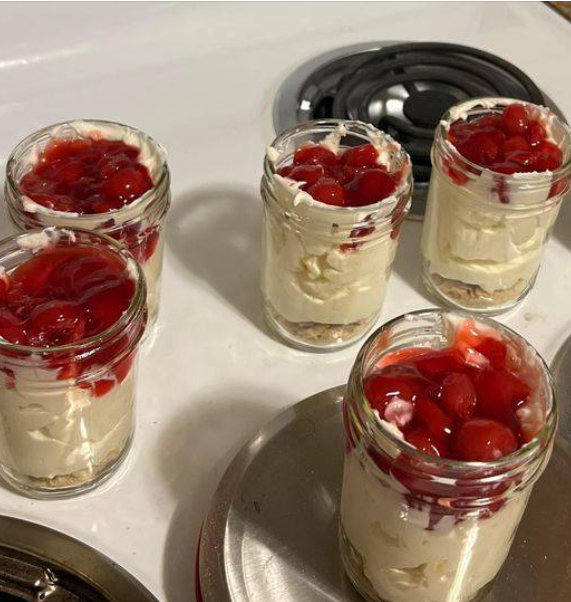
The Definitive Guide to High Protein Cheesecake Jars: A No-Bake Nutritional Powerhouse
Introduction: The Intersection of Indulgence and Macronutrients
In the evolving landscape of health, fitness, and nutrition, the eternal conflict between satisfying a powerful sweet tooth and adhering to strict dietary goals has always been a major challenge. Traditional desserts, while delicious, often come laden with refined sugars and saturated fats, making them prohibitive for individuals focused on weight management, muscle development, or blood sugar control. Cheesecake, in particular, a dish with deep historical roots stretching back to ancient Greece, is a notoriously decadent culprit, typically involving a high-fat cream cheese base, copious amounts of sugar, and an oven-baked preparation that requires both time and precision.
However, modern culinary science and the increased demand for high-protein foods have birthed a revolutionary category of desserts: the macro-friendly indulgence. The **High Protein Cheesecake Jar (No-Bake)** is the pinnacle of this movement. It is a dessert that captures the creamy texture, rich mouthfeel, and signature tangy flavor of classic cheesecake while simultaneously utilizing dairy bases rich in whey and casein protein, fiber-rich crust alternatives, and low-glycemic sweeteners. This transformation is not just a substitution of ingredients; it is a fundamental re-engineering of the dessert structure.
The ‘No-Bake’ methodology is critical. By relying on the natural thickening properties of Greek yogurt and the setting capability of the blended cottage cheese, we bypass the thermal process of traditional baking, which often requires eggs and flour, further streamlining the recipe and maximizing the preservation of the dairy proteins. Furthermore, the single-serving ‘Jar’ format provides excellent portion control, a psychological and practical benefit essential for long-term adherence to a controlled diet. This comprehensive guide will dissect every element of this recipe, from the molecular role of each ingredient to advanced preparation techniques, ensuring you can consistently create a high-protein treat that is both delicious and nutritionally optimized.
Ingredients: The Precision of Protein and Texture
The success of the High Protein Cheesecake Jar rests entirely on the synergistic interaction of three primary dairy ingredients, each playing a vital structural and nutritional role. The ingredients are selected not just for flavor, but for their protein content and textural contribution after blending.
The Protein Base: Core Components
The protein base is what provides the characteristic density and nutritional value, utilizing both whey and casein proteins for satiety.
- 1 cup low-fat or full-fat Greek yogurt (0% for WW/Slimming; full-fat for keto): Greek yogurt is the primary structural component. Its high casein content acts as a thickening agent, giving the final product its dense, luxurious mouthfeel. The choice of fat content directly impacts the final caloric density and suitability for different diets (zero-fat for maximum leanness; full-fat for better absorption of fat-soluble vitamins and a more keto-friendly macro profile).
- 1/2 cup cottage cheese (smooth or with curds, as preferred): This is the functional secret weapon. Cottage cheese is a low-fat, high-protein source, but its curd texture is undesirable for cheesecake. The mandatory blending process breaks down the casein micelles, releasing moisture and creating a smooth, cream cheese-like consistency. The protein boost from the cottage cheese is substantial, adding a full spectrum of essential amino acids.
The Flavor and Balance Agents
- 2 tablespoons powdered erythritol (or other keto-friendly sweetener): Powdered sweetener is essential over granulated because it dissolves instantly in the cold dairy base, preventing a gritty texture. Erythritol, a sugar alcohol, provides sweetness with zero net carbs and negligible impact on blood glucose, making it ideal for low-carb and diabetic diets. The quantity can be adjusted based on the acidity of the yogurt and personal preference.
- 1 teaspoon vanilla extract: A non-negotiable flavor enhancer. Vanilla provides aromatic complexity and perceptually increases the sweetness of the dish without adding sugar.
- 1 tablespoon lemon juice (optional, for extra tang): The inclusion of an acid is what chemically replicates the ‘cheesecake’ flavor. The citric acid in the lemon juice cuts through the richness of the dairy and adds the signature bright, tangy finish that distinguishes cheesecake from simple sweetened yogurt.
- 1/4 teaspoon salt: Crucial for culinary balance. Salt does not make the dessert salty; rather, it suppresses the bitter notes of sweeteners and enhances the perception of both sweetness and vanilla flavor, making the entire dish taste richer and more complex.
The Optional but Recommended Enhancers
A quarter-scoop of unflavored or vanilla whey protein isolate can be incorporated for an even higher protein concentration and a thicker set. However, this may require adding a few drops of water or milk to maintain the desired smooth consistency during blending, as protein powders absorb liquid rapidly.
