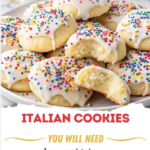
Step 1: The High-Viscosity Mix
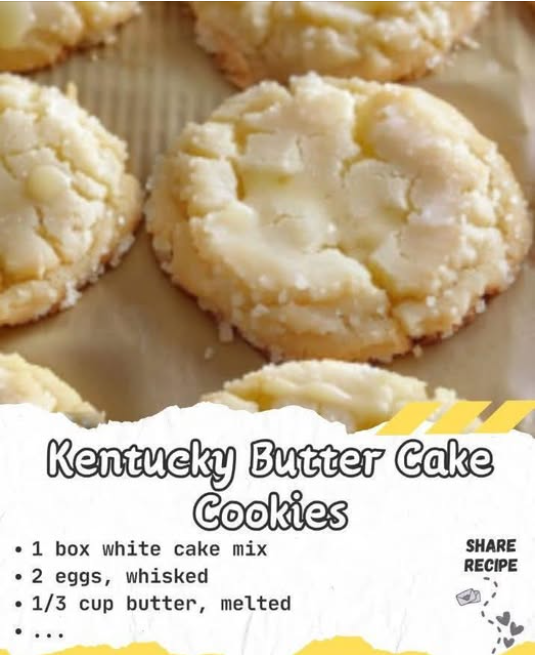
Combine the mix, eggs, and butter. The “Thick Dough” Science: Because you have omitted the 1 cup of water usually found in cake recipes, the dough will be highly viscous. This Low-Hydration State is what allows the dough to hold its shape as a cookie rather than spreading into a puddle.
Step 2: Thermal Expansion (The Bake)
Bake at 350°F for exactly 7-8 minutes. The “Short-Bake” Rule: You are looking for the cookies to be “set” but not browned. Over-baking will cause the sugar to caramelize too much, making the cookie hard. We want to stop the bake while the starches are still Soft-Gelatinized.
Step 3: The Glaze Synthesis
Simmer the glaze ingredients until the sugar dissolves. The “Solubility” Physics: You are creating a Saturated Solution. As the water evaporates, the sugar concentration increases. Continuous whisking prevents the sugar from crystallizing prematurely on the sides of the pan.
Step 4: The Capillary Infiltration (The Glazing)
Spoon the glaze over the cookies while they are still slightly warm. The “Soak” Secret: When the cookie is warm, its pores are expanded. Through Capillary Action, the liquid glaze is “sucked” into the top 2mm of the cookie crumb, creating a fudgy, saturated top layer that is the hallmark of Kentucky Butter Cake.
Step 5: The Sugar Crust (The Finish)
Sprinkle with powdered sugar once the glaze is set. The powdered sugar reacts with the remaining moisture in the glaze to form a thin, Crust-like Barrier that prevents the cookies from sticking to one another while adding a final burst of sweetness.
Serving and Storage: Preserving the Lipid Barrier
Serving: These cookies are best served at room temperature once the glaze has completely “crystallized.” This provides the maximum Textural Contrast between the crisp glaze and the soft, buttery interior.
Storage: Because of the high sugar and fat content, these cookies are naturally shelf-stable for up to 5 days in an airtight container. However, if stored in a humid environment, the glaze may become sticky. To prevent this, place a piece of parchment paper between layers.
Tips: Pro-Level “Kentucky Butter” Nuances
- The “Cool-Down” Pan Rule: Let the cookies cool on the sheet for 5 minutes. The Residual Heat from the pan finishes cooking the bottom of the cookie, ensuring it doesn’t fall apart when you move it to the cooling rack.
- Vanilla Quality: Use pure vanilla extract. Since the flavor profile is simple (Butter and Sugar), the Vanillin quality will significantly impact the aromatic finish of the glaze.
- Salt Balance: If using unsalted butter, add a tiny pinch of fine sea salt to the glaze. Salt is a Flavor Potentiator that balances the high sucrose levels and makes the butter taste richer.
Holiday Variations
| Variation | The Adjustment | The Vibe |
|---|---|---|
| Butter-Pecan Kentucky | Add 1/2 cup finely chopped toasted pecans to the dough. | Nutty, earthy, and Southern. |
| Spiced Rum Glaze | Replace the 1 tbsp water in the glaze with Dark Rum. | Warm, festive, and sophisticated. |
| Almond Butter Cake | Replace vanilla with 1/2 tsp almond extract. | Floral, bright, and unique. |
Tips: Avoiding the “Greasy” Cookie
If your cookies are leaking oil on the pan, your butter was likely Too Hot when added to the eggs. If the butter is boiling hot, it can “cook” the egg proteins prematurely, preventing them from forming a proper emulsion. Let the melted butter cool for 2-3 minutes before mixing to ensure a stable, homogenous dough.
Conclusion: A Christmas Day Masterpiece
Kentucky Butter Cake Cookies are a testament to Modified Starch Gastronomy. By understanding how to control the hydration of a cake mix and utilizing the capillary properties of a sugar-butter glaze, you transform a simple box of mix into a gourmet, buttery experience. On this Christmas Day 2025, as you share these golden, glazed treats, you are serving a masterclass in texture and flavor. Enjoy the buttery bliss!
Frequently Asked Questions
- Can I use Yellow Cake Mix instead of White?
- Yes! Yellow cake mix contains more Beta-Carotene and egg solids, which will result in an even richer, more golden cookie. The flavor will be slightly more “custard-like.”
- My glaze didn’t set! Why?
- This usually happens if the sugar wasn’t fully dissolved or if too much water was added. Ensure you simmer the glaze for the full 4 minutes to achieve the correct Sucrose Concentration.
- Can I freeze these cookies?
- Absolutely. These cookies freeze exceptionally well due to their high fat content. Freeze them before applying the powdered sugar for the best visual results upon thawing.
Would you like me to suggest a “Bourbon-Infused Glaze” recipe for an adult twist, or perhaps show you how to turn these into “Butter Cake Cookie Sandwiches”?