
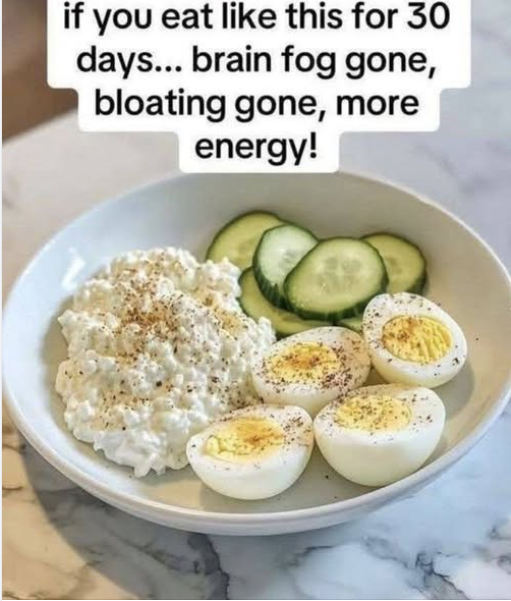
Following a high-protein diet is about strategy, not just eating more meat. Follow these five pillars for success:
- Spread Your Intake: Research indicates that your body processes protein most efficiently when it is spread throughout the day. Aim for 20–30g per meal rather than one massive protein heavy dinner.
- Plan Around Protein: When meal prepping, choose your protein source first (e.g., salmon), then add your fiber (broccoli) and your healthy fat or complex carb.
- The Post-Workout Window: If you are active, aim for 20–25g of protein shortly after exercise to maximize muscle protein synthesis.
- Hydrate for Digestion: Protein requires more water for the kidneys to process nitrogen byproducts. Increase your water intake to support digestion and kidney function.
- Quality Over Quantity: Opt for whole foods over supplements whenever possible to ensure you receive a full spectrum of essential amino acids.
Serving and Storage: The Busy Person’s Strategy
Meal Prep Magic: High-protein components like shredded chicken or boiled eggs can be prepared in bulk and stored for up to 4 days. This allows you to assemble wraps, salads, or “protein bowls” in under five minutes during a hectic workday.
The “No-Track” Approach: New research suggests that removing the need to log every calorie can increase long-term adherence. Focus on “Zero Point” protein foods to make your journey intuitive and stress-free.
Tips: Science-Backed Insights for Fat Loss
Groundbreaking research from institutions like Orford University has highlighted the power of intuitive high-protein plans. Key findings include:
- Weight Loss Efficacy: Participants in high-protein, low-tracking studies lost an average of 7.9% of their body weight in six months.
- Significant Results: Over 30% of participants managed to drop more than 10% of their initial weight, significantly reducing risks for metabolic diseases.
- Metabolic Boost: Protein has a higher Thermic Effect of Food (TEF), meaning you burn more calories just by digesting it compared to fats or carbs.
Variations: Insights from the Stars
Success leaves clues. Here is how some high-profile individuals adapt these principles:
- The “Balance” Method (Jennifer Garner): Emphasizes enjoying food without guilt by pairing roasted chicken or turkey burritos with heavy portions of vegetables.
- The “Satiety” Focus (Cody Rigsby): Plans every meal specifically around a protein (like steak or egg whites) to curb late-night cravings.
- The “Wellness” Shift (Tiffani Thiessen): Focuses on how protein makes her feel (energized and strong) rather than just aesthetic goals, pairing her diet with functional movement like hiking.
Tips: Identifying the “Hidden” Protein Traps
While many foods claim to be “high protein,” always check the protein-to-calorie ratio. Some protein bars or yogurts are loaded with enough sugar to negate their benefits. Stick to the curated list of lean meats and dairy for the most effective results.
Conclusion: Building a Sustainable Future
Transitioning to a high-protein meal plan is a game-changer for anyone looking to reclaim their energy and health. By combining the latest scientific research with practical, meal-prep-friendly strategies, you create a lifestyle that is both effective and enjoyable. Whether you are following the general rule of 0.8g per kg of body weight or pushing higher for muscle growth, the key is consistency and balance. Start today, fuel your body correctly, and feel the difference that high-quality nutrition makes.
Frequently Asked Questions
How much protein is “too much”?
Research shows that eating more than 40g of protein in a single sitting generally doesn’t provide additional muscle-building benefits. It’s better to distribute your intake across 3–5 meals.
Is insect protein actually a viable option?
Yes! Recent studies suggest insect protein is a highly sustainable, nutrient-dense alternative that supports optimal bone growth and provides all essential amino acids.
Can I build muscle on a vegetarian high-protein diet?
Absolutely. By combining sources like Greek yogurt, eggs, lentils, and tofu, you can easily meet the requirements for muscle synthesis.
Related posts:
 The Surprising Truth About Eating Eggs Every Day
 Homemade Elixirs for Enhanced Metabolism and Sustainable Weight
 Uncovering 14 Undiscussed Symptoms and the Science of Hormonal Transition
 A Deep Dive into Hydration, Metabolism, and the Power of Pink Salt
 A Scientific Guide to the Creamy Weight-Loss Soup
 The Definitive Guide to High Protein Cheesecake Jars
