
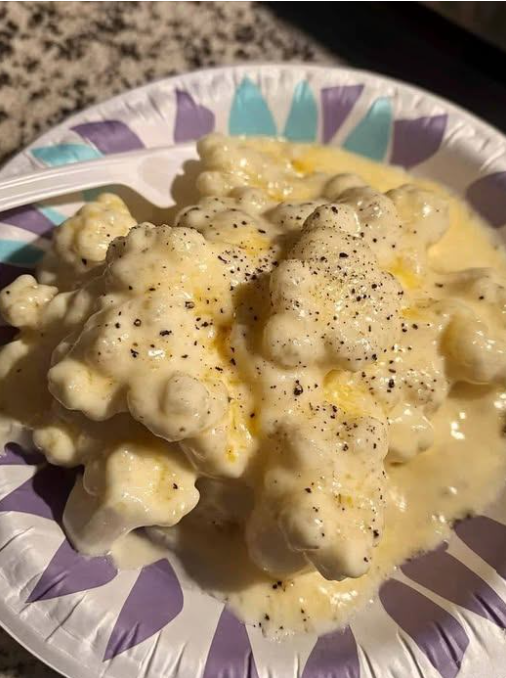
The Molecular Gastronomy of Ketogenic Substitutions
Structural Isomerization and Lipid Emulsification in Brassica-Based Comfort Foods
Introduction: The Behavioral Psychology of Dietary Displacement
In the dietary landscape of 2026, the transition to a ketogenic or low-carb lifestyle is often hindered by the “Social Consumption Gap.” As noted in the anecdotal evidence of a family visit to Chick-fil-A, the psychological strain of watching peers consume high-glycemic starches (like traditional Mac and Cheese) can trigger metabolic non-compliance. The solution lies in Structural Isomerization—the process of replacing a high-carb substrate (pasta) with a low-carb, high-fiber matrix (cauliflower) that mimics the original’s physical properties.
The culinary engineering behind Cauliflower Mac and Cheese is not merely about substitution; it is about the physics of the Cheese Emulsion. Traditional macaroni relies on wheat-based starches to thicken the sauce via gelatinization. In a ketogenic framework, we replace this starch-based thickening with a Triple-Lipid Matrix (cream cheese, shredded cheese, and sour cream), utilizing dairy proteins and fats to create a stable, velvety coating for the cauliflower florets.
Ingredients: The Low-Carb Bio-Matrix
The following measurements are calibrated to balance flavor density with macronutrient ratios, specifically targeting high-fat and low-carbohydrate absorption.
- 2 Cups Cauliflower: The cruciferous “Heritage” base. Provides the cellulose structure necessary to simulate the mouthfeel of pasta.
- 1 oz Cream Cheese: The primary emulsifier. Contains casein and phosphates that prevent the sauce from breaking.
- 1/2 Cup Shredded Mixed Cheese: The flavor anchor. A blend of cheddar and Monterey Jack provides varied melting points for complex texture.
- 2 Tablespoons Sour Cream: The acidic modifier. The lactic acid brightens the heavy lipids and thins the sauce to an optimal viscosity.
