
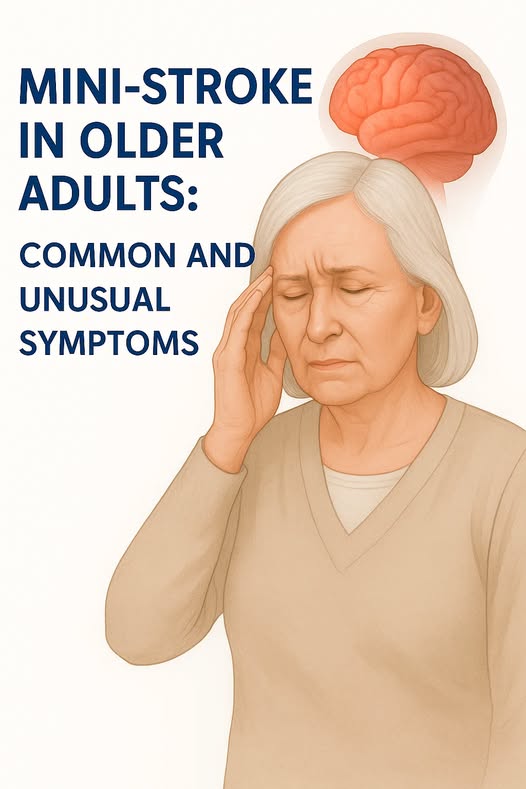
Risk factors contributing to mini-strokes include hypertension, diabetes, high cholesterol, and smoking. Regular medical evaluations are crucial for monitoring and managing these risks in older populations. Education about brain health and symptom recognition is essential for prevention.
In conclusion, families and communities must be vigilant in recognizing the signs of a mini-stroke. Educational campaigns can enhance early symptom recognition, leading to timely and appropriate interventions. Awareness and prompt action can save lives and significantly improve the quality of life for older adults.
Related posts:
 Recognizing Mini-Stroke Symptoms in Older Adults: A Vital Guide
 Uncovering 14 Undiscussed Symptoms and the Science of Hormonal Transition
 Understanding Vitamin B12 Deficiency: Signs, Risks, and Solutions
 Understanding Atorvastatin: Common Side Effects and What You Can Do
 14 Signs of Liver Damage You Should Not Ignore
 Understanding Tinnitus: Causes, Myths, and Management Strategies
