Step 1: The Essential Soak
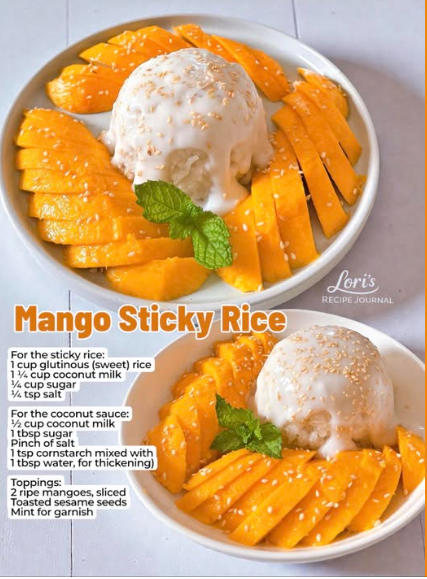
You cannot skip this step! Rinse the rice 3–4 times until the water runs clear. Soak the rice in plenty of water for at least 4 hours, or ideally overnight. This softens the outer husk of the grain, ensuring it steams evenly without staying hard in the center.
Step 2: Steaming to Perfection
Drain the rice and wrap it in cheesecloth. Place it in a steamer basket over boiling water. Steam for 20–25 minutes. Halfway through, flip the bundle of rice so the top grains move to the bottom. The rice is done when it looks translucent and tastes chewy but tender.
Step 3: The Coconut Infusion
While the rice is steaming, combine 1 ¼ cup coconut milk, ¼ cup sugar, and salt in a small saucepan over medium heat. Stir until the sugar dissolves (do not let it boil). Once the rice is finished, immediately transfer it to a bowl and pour the warm coconut mixture over it. Cover tightly and let it sit for 20–30 minutes. The rice will absorb all the liquid and become glossy.
Step 4: Crafting the Topping Sauce
In the same saucepan, combine the sauce ingredients (½ cup coconut milk, 1 tbsp sugar, and a pinch of salt). Heat gently. If you want a thicker sauce, you can stir in a small cornstarch slurry (1 tsp cornstarch + 1 tsp water), but authentic versions are often naturally thin and creamy.
How to Choose the Perfect Mango
The success of this dish rests heavily on the fruit. Look for Ataulfo mangoes (often called Honey or Champagne mangoes). They are smaller, yellow, and kidney-shaped. Unlike the larger red-green Tommy Atkins mangoes found in many supermarkets, Ataulfos are non-fibrous and have a buttery texture that complements the rice perfectly.
The mango should be slightly soft to the touch and have a sweet aroma near the stem. If it doesn’t smell like anything, it isn’t ripe enough!
Expert Tips for Success
- Temperature Contrast: Serve the rice warm or at room temperature, but ensure the mango is slightly chilled. This temperature play is part of the sensory experience.
- The Salt Balance: Don’t be afraid of the salt. Thai desserts often use salt to “cut” through the heaviness of coconut fat, making the dish feel lighter on the palate.
- The Gloss Factor: If your rice looks dull, it likely didn’t soak long enough or the coconut milk was too thin. Using a high-quality brand like Aroy-D or Chaokoh makes a significant difference.
Common Questions
Can I use a rice cooker?
Yes, but it is tricky. Use the “Sticky Rice” setting if yours has one. If not, use slightly less water than you would for white rice to prevent it from becoming mushy.
How long does it keep?
Sticky rice is best eaten within a few hours. If refrigerated, the starches undergo retrogradation and become hard. If you must store it, re-steam it briefly or microwave it with a damp paper towel to restore the texture