Step 1: The Lipid-Sucrose Emulsion
Combine the **softened butter** and **sifted powdered sugar**. Cream them together until the mixture is pale and light. The Creaming Science: You are creating a “Fat-Sugar-Air” matrix. The sugar crystals carve microscopic air pockets into the butter, which will expand during baking to create the cookie’s signature lightness.
Step 2: Aromatic Incorporation
Fold in the vanilla and salt. The Flavor Catalyst: Salt is mandatory in French baking. It serves as an ionic balancer that suppresses bitterness and amplifies the perception of the butter’s sweet, lacteal notes.
Step 3: The Short-Crust Synthesis
Gradually sift in the **flour**. Fold by hand or on the lowest mixer setting. The “Sand” Phase: Stop mixing the moment the dough looks like wet sand. Over-working at this stage will activate the gluten and ruin the “melt-in-your-mouth” effect.
Step 4: The Thermal Set (Chilling)
Form the dough into a log, wrap in parchment, and refrigerate for at least 2 hours. The Solidification Phase: Chilling allows the butterfat to re-crystallize. This ensures the cookies maintain their shape in the oven and don’t “puddle” into flat discs.
Step 5: The Maillard Finish
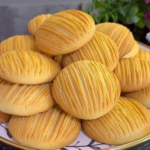
Slice the log into uniform discs. Bake at 350°F (175°C) for 10–12 minutes. The Visual Cue: Remove when the edges are just barely a “Golden Wheat” color. The center should remain pale, preserving the delicate butter flavor.
Serving and Storage
Pairing: These are best served with a dark-roast espresso or a floral Earl Grey tea. Storage: Because of the low moisture content, these cookies are exceptionally shelf-stable. Store in a tin for up to 2 weeks.
Expert Tips: The Professional Edge
The Maintenance Phase (Health Tip): As you continue your incredible journey after your **59lb loss**, these cookies are the ultimate “Quality Over Quantity” treat. One single, buttery Sablé has a much higher satisfaction index than several low-fat snacks. Enjoying one slowly with your afternoon coffee is a beautiful way to practice mindful indulgence!
Variations: Culinary Twists
- Sablés aux Diamants: Roll the dough log in coarse sanding sugar before slicing to create a “diamond” sparkling edge.
- Lavender-Lemon: Add 1 tsp of culinary lavender and the zest of one lemon to the butter.
- The Chocolate Drizzle: Dip half the cooled cookie in tempered dark chocolate for a decadent contrast.
Conclusion: An Elegant Simplicity
French Butter Cookies represent the pinnacle of minimalistic baking. By mastering the temperature of your butter and the restraint of your mixing, you’ve transformed three basic staples into a sophisticated delicacy. They are proof that in the world of pâtisserie, technique is just as important as the ingredients. Enjoy your buttery, expertly-crafted masterpieces!
Frequently Asked Questions
| Question | Answer |
|---|---|
| My cookies are tough. What happened? | The dough was likely over-mixed after the flour was added, developing too much gluten. |
| Can I use granulated sugar? | You can, but the texture will be crunchier and less “melting.” Powdered sugar is the secret to the velvet mouthfeel. |
| Why did they spread into one big sheet? | The butter was either too warm when mixing, or the dough wasn’t chilled long enough before baking. |
These cookies are the height of elegance! Would you like me to help you design a “Tea Party” menu to feature these, or perhaps help you calculate the specific calories per cookie?